

Energy leaders and regulators have urged African countries to abandon siloed national approaches and embrace regional collaboration as the surest path to solving the continent’s persistent electricity deficits, unlocking stranded gas resources and driving sustainable economic growth.
They agreed that Africa’s emerging unified voice already evident in global climate negotiations and the African Continental Free Trade Area (AfCFTA), must now translate into deeper cooperation in energy policy, infrastructure and regulation.
Chairman of Energy Institute and Aradel Holdings Plc, Osten Olorunshola, said Africa’s shared energy challenges from weak transmission networks and frequent power outages to financing constraints and energy access gaps, demand coordinated regional solutions rather than isolated national policies.
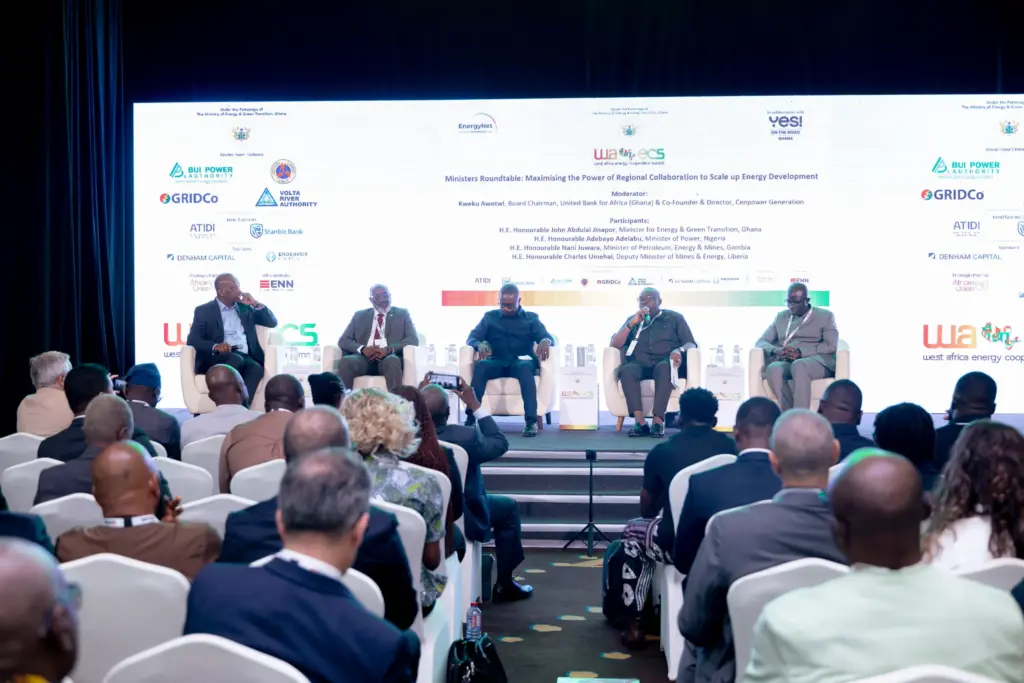
Delivering the opening remarks during the Regulatory Diplomacy & Policy Architecture: Forging Africa’s Unified Voice session with the theme, “One Africa, One Regulatory Voice: Aligning Policies for Continental Prosperity and Investment at the ongoing Nigeria International Energy Summit (NIES) in Abuja, Olorunshola noted that while countries can “go fast alone,” long-term impact would only come by pooling resources.
He said: “We all suffer from electricity deficits, infrastructure constraints and energy transition dilemmas, yet our policies and investments often stop at territorial borders. With very minimal cross-border sharing, alliance or collaboration, we are limiting ourselves.”
Olorunshola, however, cautioned against overly ambitious continent-wide “big bang” approaches, advocating instead for phased, region-led integration.
“Trying to do everything across Africa at the same time can be too heavy to even start. “If we begin from the regions; West, East, North, Central and Southern Africa, we can drive joined-up thinking and implementation before scaling up to a Pan-African level.”