
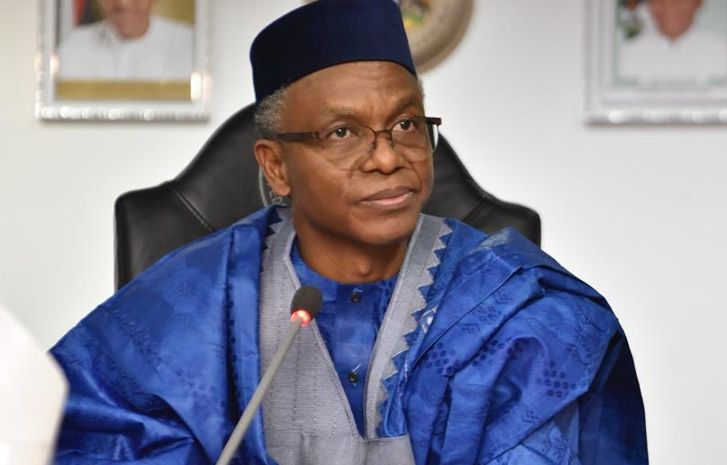
Allies of former Kaduna State governor, Nasir El-Rufai, under the aegis of Concerned Nigerian Professionals (CNP) and the El-Rufai Support Group, have faulted the ongoing trial and prior detention of the ex-Minister of the Federal Capital Territory (FCT), raising concerns over alleged abuse of due process.
El-Rufai was reportedly detained by the Economic and Financial Crimes Commission (EFCC) on February 16, where he spent three days over allegations of corruption.
Following his release, the Independent Corrupt Practices and Other Related Offences Commission (ICPC) arraigned him on a 10-count charge bordering on corruption.
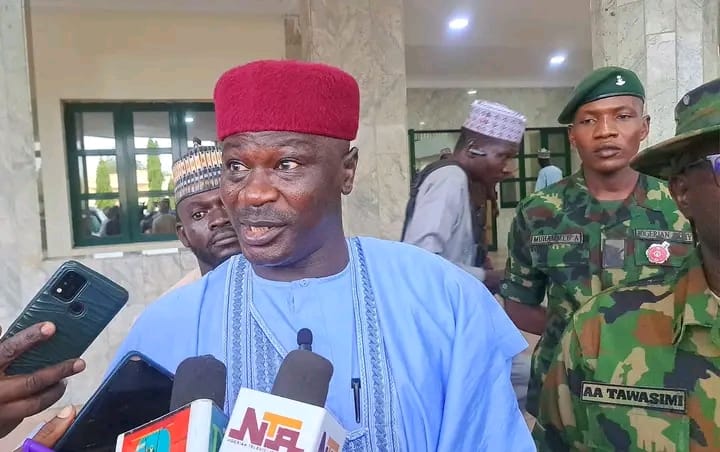
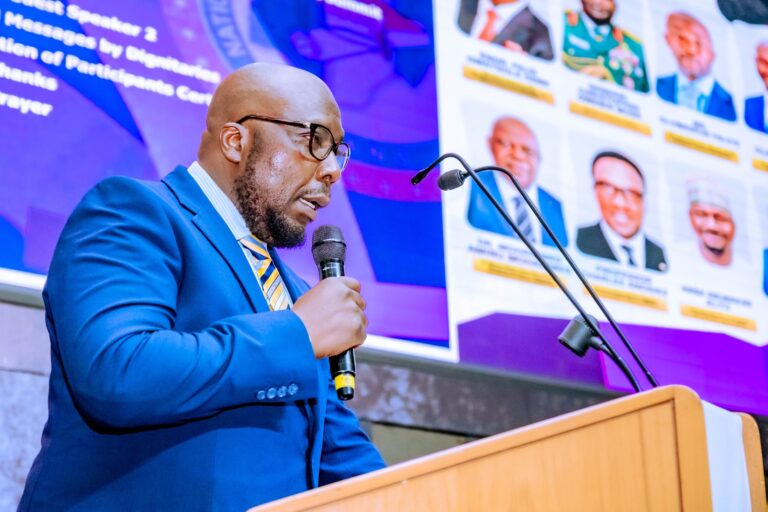
Addressing journalists at a press briefing in Abuja, CNP Convener, Uche Diala, argued that the circumstances surrounding El-Rufai’s detention raise serious constitutional questions, particularly the practice of holding citizens while investigations are still ongoing for non-capital offences.
Diala noted that if a former governor could be subjected to such treatment, especially months before a general election and with limited public communication, it signals troubling implications for Nigeria’s democracy.
According to him, the broader consequence of the development could include erosion of public trust in state institutions, increased politicisation of law enforcement agencies, and weakening of fundamental human rights protections.
He called on the Chief Justice of Nigeria and the National Judicial Council to issue clear practice directions to courts and strengthen oversight of judicial officers to safeguard the integrity of the judiciary and protect citizens’ rights.
“There is an urgent need to ensure the independence of these agencies and that their actions are guided strictly by the Constitution and the rule of law—prioritising respect for human rights and ensuring that facts, not political pressure, drive investigations,” Diala said.
He further cautioned anti-corruption agencies against indiscriminate arrests and the manipulation of judicial processes to justify prolonged or unlawful detention.
“The rights of Nigerians—including freedom of speech, association, and life—must be protected at all times, regardless of the individual involved,” he added.
Diala also appealed to President Bola Ahmed Tinubu to intervene, warning that such developments should not define his administration.
“As a professed democrat, he cannot preside over these anomalies. He must ensure that the rule of law, not the rule of might, prevails,” he said.