


Prominent opposition leaders across party lines have accused the Economic and Financial Crimes Commission (EFCC) of abandoning its constitutional mandate and operating as a political instrument of the ruling All Progressives Congress (APC) to weaken opposition parties.
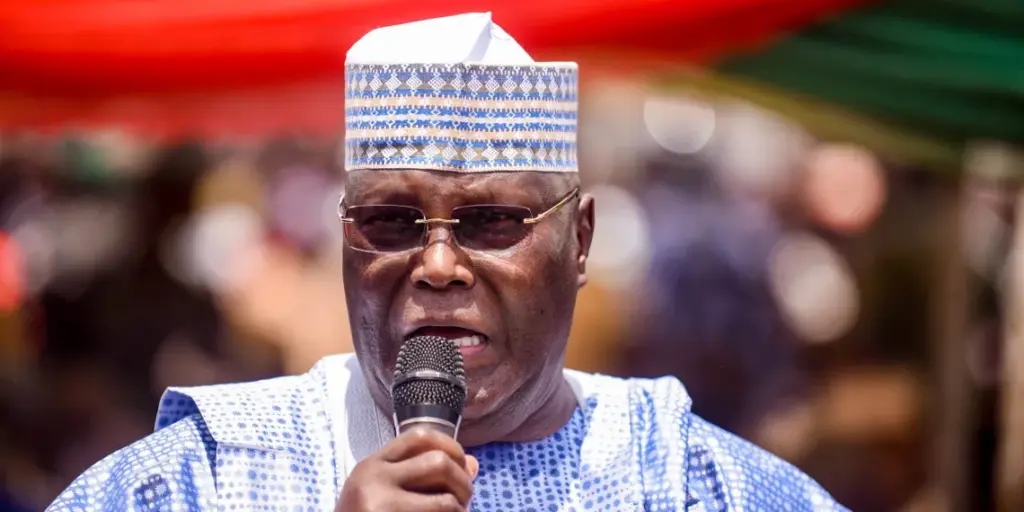
The allegation was contained in a joint statement issued on Sunday by former Vice President Atiku Abubakar, 2023 Labour Party presidential candidate Peter Obi, African Democratic Congress (ADC) National Chairman, Senator David Mark, former Deputy National Chairman of the Peoples Democratic Party (PDP), Chief Olabode George, and former APC National Chairman, Chief John Odigie-Oyegun.
The opposition leaders accused the EFCC of selective enforcement of anti-corruption laws, alleging a “discernible pattern of persecution of opposition figures” aimed at benefiting the ruling party.
According to the statement, allegations involving members of the APC are often ignored, while even unsubstantiated claims against opposition politicians are aggressively pursued and subjected to media trial.
They recalled a past remark by a former APC National Chairman, Adams Oshiomhole, that joining the ruling party amounts to having one’s sins forgiven, saying the statement has come to symbolise a troubling political reality.
“Whether intended as political rhetoric or not, that statement has come to reflect the current state of affairs,” the leaders said.
They cited cases involving two former APC ministers allegedly implicated in financial misconduct and certificate forgery, noting that while both resigned, neither has been prosecuted by the EFCC or the Federal Government.
“Such selective enforcement undermines the legitimacy of anti-corruption efforts and erodes public trust,” the statement added.
The opposition figures further accused the APC-led Federal Government of using anti-corruption agencies to intimidate opposition governors until they defect to the ruling party, claiming the recent wave of defections has strengthened public suspicion of political coercion.
They argued that the trend forms part of a broader strategy targeting opposition leaders perceived as central figures in emerging political coalitions ahead of the 2027 general election.
The leaders called for the EFCC to be insulated from political interference and urged that the agency should not operate at the behest of any president, party or political faction.
“The EFCC must recognise and exercise its functions without fear or favour, covering both pre- and post-expenditure oversight,” they said.
They also called for greater accountability within the commission and proposed an amendment to the EFCC Act to strengthen institutional independence and oversight.
The opposition leaders further pledged to defend Nigeria’s democracy, stating that they would, in the coming weeks, engage international partners and diplomatic missions, including those of the United States, United Kingdom, Canada, the European Union, the World Bank and the United Nations, to express concerns over what they described as the politicisation of Nigeria’s anti-graft agency.
“Nigeria’s democracy demands vigilance, courage and unity,” the statement concluded.