

A 2025 Nigeria Real Estate Report by Ubosi Eleh & Co. has noted that economic uncertainties and persistent supply chain disruptions cause significant delays in construction projects across Nigeria, affecting timelines, budgets, and overall sector productivity.
According to the report, the volatile economic climate and increased uncertainty are discouraging both domestic and foreign investors from investing in the real estate sector.
It stated, “Economic uncertainties and supply chain disruptions led to project delays and cost overruns, impacting the delivery timelines of real estate developments. The devaluation of the naira and rising input costs, such as cement, steel, and labour, pushed up construction costs, making it more expensive to develop new projects.”
According to the report, the growing demand for affordable housing is coupled with government initiatives to promote affordable housing development opportunities for developers.
It added, “The volatile economic climate and increased uncertainty discouraged both domestic and foreign investors from investing in the real estate sector. Rising operational costs, including utility bills and maintenance expenses, forced landlords to increase rental rates, further straining tenant affordability.”
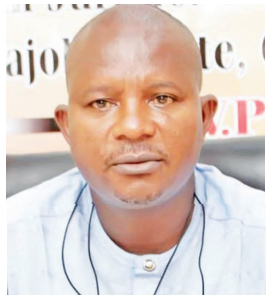
Reacting to this, Emeka Eleh, senior partner at Ubosi Eleh & Co., said the naira’s devaluation and the rising prices of construction inputs, including cement, steel and labour, have significantly increased building costs, making new developments more expensive to execute.
He added that economic uncertainties and supply chain disruptions have led to project delays and cost overruns, impacting the delivery timelines of real estate developments.
“The rising operational costs, including utility bills and maintenance expenses, forced landlords to increase rental rates, further straining tenant affordability,” Eleh said. “The volatile economic climate and increased uncertainty discouraged both domestic and foreign investors from investing in the real estate sector.”