The Nigeria Economic Summit Group (NESG) has reaffirmed that the economic reforms being pursued by the President Bola Tinubu administration are painful, but it remains the only path for future economic development.
This is as the group warned against reforms’ reversal, cautioning that a cutback will reverse reforms’ gains.
The NESG made its position known over the weekend at a quarterly interactive session with the media.
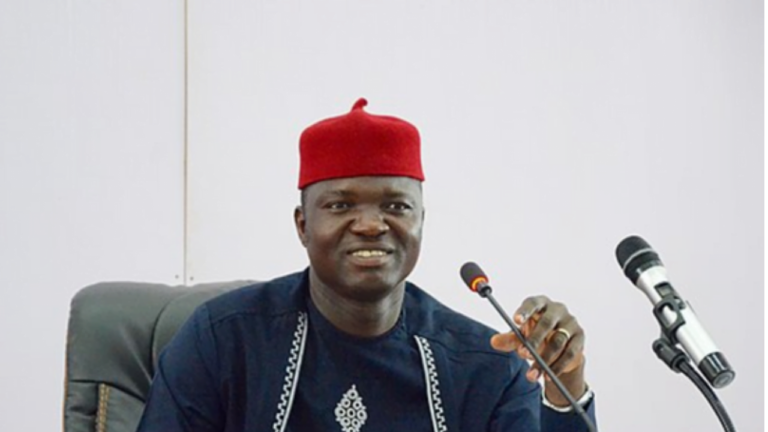
The Group’s Head of Research, Dr Joseph Ogebe spoke intently to economic indices amid the United States/ Israel war with Iran in the Middle East.
He weighed the opportunities and the disruption it visited on Nigeria as a leading energy supplier.
Recall the Federal Government under the watch of Bola Ahmed Tinubu took some drastic measures with immediate effect when sworn in May 2023.
The measures included , halting the fuel subsidy and floating the forex exchange policy. His decisions on the two key items shot the high cost of living with the increase in the cost price of refined petroleum products.
The raging war in the Middle East, a few Experts and Economists argued, offered a window for reinvesting the extra gains earned from the rising cost of crude to subsidise the basic cost of refined PMS.
Ogebe countered such a suggestion, noting the country’s growth outlook could weaken significantly if policy direction changes.
He said projections show that reversing key reforms could push growth down to between two and three per cent, a level associated with periods of economic strain.
Ogebe explained that although recent policy changes have started to produce results, the progress remains delicate.
According to him, abandoning the reforms would likely increase fiscal pressure on the government, discourage investment and worsen poverty across the country.
He noted that economic growth has picked up compared to 2023, rising to about 3.9 per cent, while inflation has dropped sharply from the high levels recorded in that year to 15.06 per cent as of February 2026.
However, he said these improvements have not yet translated into meaningful changes in the daily lives of many Nigerians.
Describing the current period as decisive, Ogebe said the choices made in 2026 would shape the country’s economic direction for years to come.
“This year is critical. The decisions we take now will determine whether the gains we are seeing can be sustained and expanded,” he said.
Also speaking, the Chief Economist and Director of Research at NESG, Olusegun Omisakin, said Nigeria is gradually stabilising after a difficult period that brought the economy close to serious disruption.
He said while some reforms have created short-term challenges, reversing them would likely bring back inefficiencies and fiscal constraints that previously limited development spending.
“If such policies are rolled back, we may return to a situation where the government struggles to fund capital projects and inefficiencies take over the system again,” Omisakin said.
He stressed that reforms require strong institutions and effective implementation to deliver results, adding that the focus should be on improving governance systems rather than abandoning policy measures prematurely.
Drawing from international experience, he noted that countries such as Ghana have faced setbacks after reversing key economic policies, warning that Nigeria should avoid a similar path.
Omisakin said there are early signs of recovery, including improved access to foreign exchange and increased investor interest, but cautioned that sustaining these gains would depend on consistent policy direction.