



Stakeholders across Nigeria’s public finance ecosystem have identified electronic invoicing (e-invoicing) and digital payment infrastructure as critical tools for blocking revenue leakages, enhancing transparency and strengthening tax administration.
This position was reinforced at the Nigeria Revenue Summit (NRS) hosted by Interswitch in Abuja, where government officials, regulators and private sector operators converged to chart pathways for improving revenue collection through digital transformation.
The summit, which marked the concluding phase of the NRS series after earlier sessions in Lagos, underscored the growing consensus that data-driven systems, automation and integrated payment platforms across all tiers of government are essential to improving efficiency, compliance and accountability.
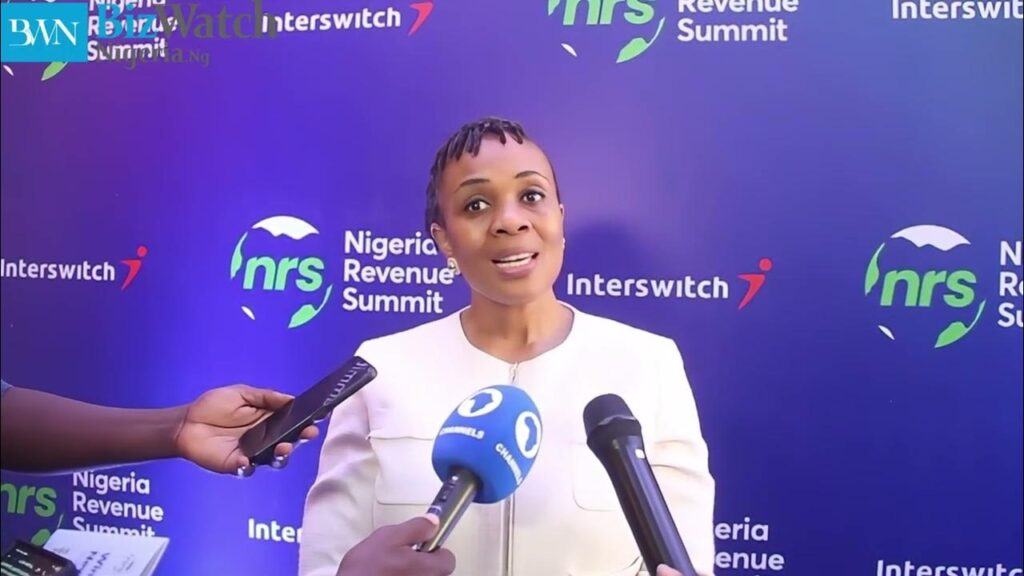
Chief Financial Officer (Nigeria) at Interswitch, Chinomso Nwachukwu, said the shift to e-invoicing represents a major evolution in modern financial management, moving beyond traditional record-keeping to strategic, data led performance systems.
According to her, the initiative being championed by the Nigeria Revenue Service (NRS) will significantly improve transparency and visibility in the country’s revenue ecosystem. “E-invoicing is a critical global shift and a key government-led initiative to drive transparency and reduce leakages.
Our goal with the Nigeria Revenue Summit is to support this transformation and improve compliance, particularly among businesses,” she said.
Nwachukwu stressed that sustained stakeholder engagement would be vital to the initiative’s success, noting that platforms like the summit help align interests and deepen understanding among key actors.
Also speaking, Project Manager, E-Invoicing at the NRS, Mohammed Bawa, described digital tax administration as inevitable, urging Nigeria to align with global standards.








