


Africa’s largest refinery, owned by billionaire industrialist Aliko Dangote, has ramped up exports of gasoline and urea to African markets grappling with supply shortages triggered by the ongoing Iran war.
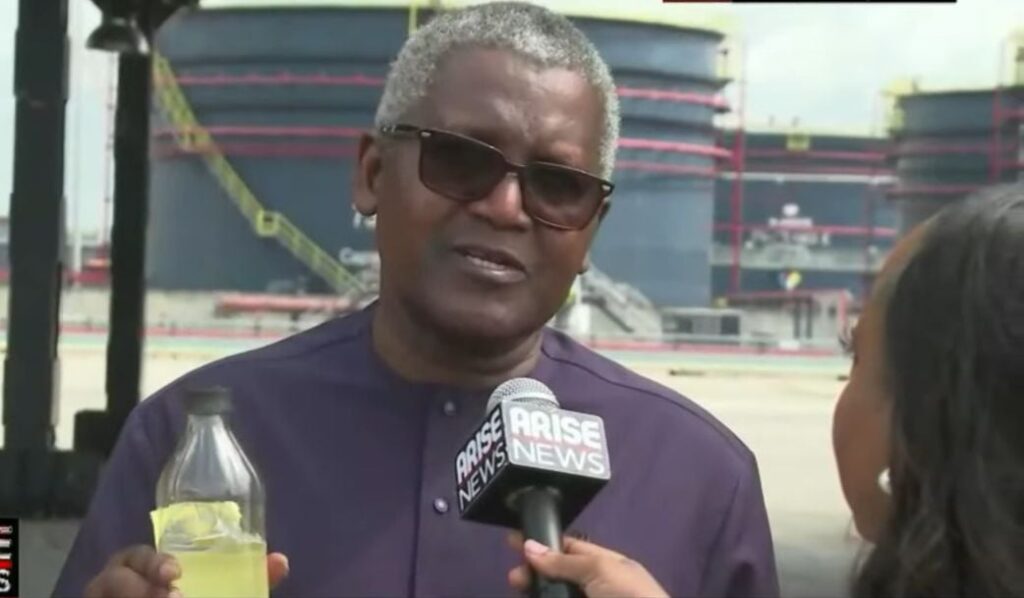
Dangote disclosed this on Monday during a facility tour of the Dangote Petroleum Refinery in Lagos, stating that the plant is currently operating at its full capacity of 650,000 barrels per day.
A report by Reuters quoted the African business mogul as saying that the refinery had played a critical role in cushioning the impact of the global supply shock, not only in Nigeria but across several African countries facing disruptions in fuel and fertiliser supplies. “What I can do is assure Nigerians and most of West Africa, Central Africa, and East Africa that we have the capacity to supply them,” Dangote said.
He added that the refinery had already exported about 17 cargoes of gasoline to other African countries in recent weeks, as demand surged across the continent. According to him, exports of urea fertiliser have also increased significantly, with the company redirecting shipments to African markets that were previously not major destinations.
“In the last couple of days, we’ve been looking mostly to African countries, which we were not doing before,” he said, noting that the shift was driven by urgent demand from countries seeking alternative sources of supply.
Officials of the refinery said the facility has the capacity to produce up to three million metric tonnes of urea annually, most of which has historically been exported to markets in the United States and South America.
Despite the ramp-up in production and exports, fuel prices in Nigeria have continued to climb to record levels, reflecting broader global market pressures. Dangote attributed the trend to high crude oil prices, noting that increased refining output alone cannot fully offset the rising cost of feedstock.
He, however, expressed optimism that sourcing more crude oil in naira could help moderate domestic fuel prices. “We are working towards getting more crude cargoes priced in local currency, which will help in reducing the pressure on fuel costs,” he said.
Government officials indicated that the Nigerian National Petroleum Company Limited has increased crude supply allocations to the refinery, with seven cargoes scheduled for May, up from five in previous months.
The surge in demand for petroleum products across Africa is being driven by a combination of global and regional factors. The ongoing conflict in the Middle East has disrupted traditional supply chains, forcing many African countries to seek alternative fuel sources closer to home. At the same time, limited refining capacity across the continent has made many countries heavily dependent on imports.
In addition, seasonal factors, rising industrial activity, and increased transportation demand have contributed to higher consumption of refined products such as petrol and diesel.
Within Nigeria, the removal of fuel subsidies and the deregulation of the downstream sector have exposed domestic prices to international crude oil fluctuations, further pushing up pump prices.
Experts also note that currency pressures, particularly the depreciation of the naira, have made imports more expensive, thereby increasing reliance on local refining from facilities such as Dangote’s.
While the refinery’s increased output is expected to improve supply stability over time, stakeholders say the full benefits may take longer to materialise due to persistent structural challenges in the energy market.