
As Nigeria prepares for the 2027 general elections, concerns over the rising cost of politics have resurfaced, with analysts warning that excessive campaign spending by politicians poses a serious threat to democrat- ic integrity, inclusiveness, and good governance.
Over the years, electioneering in Nigeria has become an increasingly expensive venture, dominated by deep-pocketed aspirants and powerful political structures.
From party primaries to general campaigns, the influence of money has continued to shape outcomes, often sidelining competence and credibility in favour of financial strength. The 2023 general elections high- lighted the extent to which money drives Nigeria’s political process. Campaigns were characterised by massive spending on rallies, logistics, media advertisements, and, in some cases, allegations of vote buying.
Although the Independent National Electoral Commission (INEC) sets legal limits on campaign expenditure, enforcement has remained weak. Presidential candidates, for instance, are expected to operate within prescribed spending ceilings, yet actual expenses often far exceed these limits with little consequence. Party nomination forms alone have become prohibitively expensive, sometimes costing tens of millions of naira, effectively excluding capable but less wealthy aspirants from the political arena.
Drivers of excessive spending:
Several factors contribute to the high cost of elections in Nigeria. Chief among them is the monetisation of the political process, where financial inducements are used to secure party tickets, mobilise supporters, and influence voters. The “do-or-die” nature of Nigerian politics also fuels excessive spending.
With political office often seen as a gateway to power, influence, and economic opportunity, candidates are willing to invest heavily, viewing elections as high-stakes ventures. Weak internal democracy within political parties further exacerbates the problem. Delegates who decide party primaries are frequently targeted with financial incentives, driving up costs for aspirants.
Implications for democracy
The consequences of excessive election spending are far-reaching. First, it undermines the principle of equal opportunity, limiting political participation to the wealthy elite and those backed by powerful sponsors. Second, it increases the likelihood of corruption.
Politicians who spend heavily to secure office may feel compelled to recoup their investments through public funds once elected, thereby weakening accountability and governance.
Third, it erodes public trust in the electoral system. When elections are perceived as transactions rather than democratic contests, voter confidence declines, further contributing to political apathy.
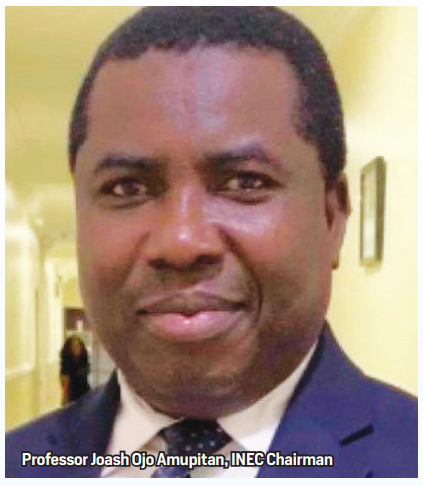
Regulatory bodies such as the INEC have a critical role to play in curbing excessive spending. Beyond setting limits, there is a need for strict- er monitoring, transparent reporting, and enforcement of sanctions against violators.
Anti-corruption agencies must also step in to track illicit financial flows during election cycles, while the judiciary should ensure swift prosecution of electoral offences. Civil society organisations and the media remain essential in exposing financial irregularities and holding politicians accountable.
Nigeria’s Electoral Act provides a foundation for regulating campaign finance, but gaps in implementation persist. Strengthening the legal framework to include real-time disclosure of campaign finances and stricter pen- alties for violations could serve as a deterrent. There is also a growing call for reforms such as state funding of political parties, which could reduce dependence on private wealth and level the playing field for candidates.
Beyond laws and regulations, addressing excessive spending requires a shift in political culture. Voters must reject vote buying and demand issue-based campaigns focused on policies rather than patronage. Political parties must also embrace internal reforms that promote transparency and merit-based candidate selection, reducing the influence of money in the process.
Stakeholders raise concern
Key stakeholders across the political spectrum have raised concerns over the persistent issue of excessive campaign spending and the growing menace of vote buying, warning that both trends threaten the credibility of the country’s democratic process.
From electoral authorities to civil society groups, political analysts, and anti-corruption advocates, there is a shared consensus that urgent reforms are needed to curb the influence of money in politics.
INEC raises red flags
The Independent National Electoral Commission (INEC) has repeatedly expressed concern over the rising cost of elections and the blatant disregard for spending limits by political actors.
According to officials of the commission, while legal frameworks exist to regulate campaign finance, enforcement remains a major challenge.
They note that many candidates fail to fully disclose their expenditures, while others deploy third-party spending to circumvent established limits. INEC has called for stronger collaboration with law enforcement agencies and the judiciary to ensure that violators of electoral laws are held accountable.
Civil society organisations have also been vocal in condemning both excessive spending and vote buying, describing them as twin threats to democratic integrity.
Groups such as the Civil Society Legislative Advocacy Centre (CISLAC) argue that the monetisation of politics has created an uneven playing field, where only wealthy individuals or those backed by powerful sponsors can effectively compete. They warn that vote buying, in particular, undermines the principle of free and fair elections, as voters are often induced with cash or material gifts to influence their choices at the polls.
“These practices reduce elections to commercial transactions rather than expressions of the people’s will,” a civil society representative noted. Anti-corruption bodies, including the Economic and Financial Crimes Commission (EFCC), have also highlighted the dangers of unchecked political spending. Officials say there is a clear link between excessive campaign expenditure and corruption in public office, as elected officials may seek to recover their invest- ments through illicit means once in power.
The commission has pledged to intensify monitoring of financial activities during the election pe- riod, particularly focusing on suspicious cash movements and potential abuse of state resources. Political parties themselves have come under criticism for their role in escalating election costs.
Analysts point to the high price of nomination forms and the monetisation of delegate systems during primaries as major contributors to the problem. Some party insiders admit that internal reforms are necessary but argue that broader systemic issues—such as the expectations of voters and the competitive nature of elections—also drive spending. Political analysts and governance experts have proposed a range of reforms to address the issue.
These include stricter enforcement of campaign finance laws, real-time disclosure of donations and expenditures, and the imposition of stiffer penalties for offenders. There are also calls for the adoption of technological solutions to track financial flows and reduce opportunities for illicit transactions during elections.
The voters’ role
Stakeholders emphasise that voters themselves play a crucial role in tackling vote buying. While economic hardship makes some citizens vulnerable to inducements, experts stress the need for increased civic education to highlight the long-term consequences of selling votes. “Vote buying compromises the future of governance. When votes are sold, accountability is lost,” a political analyst observed.
The media is also seen as a key player in addressing the issue. By exposing instances of electoral malpractice and amplifying the voices of reform advocates, journalists can help shape public discourse and demand accountability from political actors.
Way out
That vote buying has wreaked significant havoc on Nigeria’s electoral process and hindered the country’s development is indisputable. Indeed, it has slowed the pace of national progress by enabling the emergence of fraudulent and unproductive individuals into administrative and managerial positions.
Nigeria’s electoral laws clearly prohibit the buying and selling of votes. The act constitutes a criminal offence and should be unequivocally con- demned by all well-meaning citizens.
Security and regulatory agencies – including the Police, the Nigeria Security and Civil Defence Corps (NSCDC), the Independent National Electoral Commission (INEC), and in some instances the military – are tasked with curbing this menace. These institutions must rise to the occasion and effectively discharge their responsibilities. Nigerians must also recognise that vote buying is detrimental to the nation’s development and take a firm stand against it.
There is a need for a collective shift in attitude, where citizens reject inducements and prioritise the long-term interests of the country.
Furthermore, the government should intensify voter education and continuously sensitise the electorate on the dangers and consequences of vote buying and vote selling.
The media, too, as said earlier, has a critical role to play. Media organisations should spearhead sustained campaigns against vote buying as part of their social responsibility, educating the public on its dangers and reinforcing the need to uphold electoral integrity.
Looking Ahead to 2027
As the 2027 elections draw closer, the urgency of tackling excessive political spending cannot be overstated. The credibility of Nigeria’s democracy depends not only on the conduct of elections but also on the fairness and integrity of the processes leading up to them. Reducing the role of money in politics will require collective action from institutions, political actors, and citizens alike.
‘Without meaningful reforms, the cycle of high-cost elections and its attendant challenges may persist, undermining democratic progress. Ultimately, the goal is to build an electoral system where ideas, competence, and public service, not financial power, determine leadership. With less than two years to the 2027 general elections, stakeholders agree that the time to act is now.
Without decisive measures, excessive spending and vote buying could further erode public trust and weaken democratic institutions.
The path forward, they argue, lies in collective responsibility, strengthening institutions, enforcing laws, reforming political parties, and empowering voters to make informed choices.
As Nigeria prepares for another electoral cycle, the fight against the influence of money in politics will be a defining test of the nation’s democratic maturity. The 2027 general elections present an opportunity for Nigeria to take decisive steps in that direction.