


Shell Nigeria Exploration and Production Company Limited (SNEPCo) has announced that it has completed the turnaround maintenance on the Bonga Floating Production, Storage and Offloading (FPSO) vessel, leading to the resumption of production at Nigeria’s premier deepwater field on March 6, 2026.
A statement on Friday by Communications Manager, SNEPCo, Gladys Afam-Anadu, explained that the project was delivered 11 days ahead of schedule and without any safety incident, reinforcing SNEPCo’s longstanding commitment to operational excellence and asset integrity.
Bonga FPSO is a critical asset that produces more than 225,000 barrels per day in one of Nigeria’s most significant deepwater developments. With its resumption of production, Nigeria’s crude output is expected to increase by about 225,000bpd.
Recall that Nigeria’s crude oil production slumped by 146,000 barrels per day in February, according to the Organisation of Petroleum Exporting Countries (OPEC).
In its recent Monthly Oil Market Report (MOMR) for February, using Direct Communication, Nigeria produced 1.314mbpd in February as against 1.459mbpd in January. This represents a reduction of 146,000 barrels per day. The country had produced 1.422mbpd in December 2025.
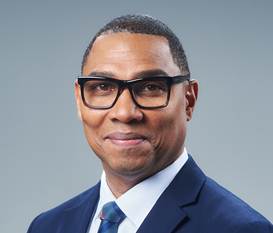
SNEPCo Managing Director, Ronald Adams, said: “Completing the turnaround safely and ahead of schedule is a testament to the dedication and professionalism of our Nigerian workforce and the helpful support of our partners.
“The achievement not only secures the long‑term integrity of the Bonga FPSO but also positions us strongly for the successful delivery of the Bonga North project, which will leverage the improved reliability of the FPSO.”
According to the statement, the exercise, which began on February 1, 2026, highlights SNEPCo’s leading role in advancing deep‑water expertise in Nigeria.
It added that of the 55 companies involved in the execution, 43 were wholly Nigerian.
“Additionally, eight of the 12 international service providers maintain operational bases in Nigeria, contributing to knowledge transfer and increased local investments.
“More than 1,000 personnel worked offshore during the turnaround, with over 95% being Nigerians involved in maintenance, engineering, operations, inspection and construction. Thousands more supported activities from onshore locations, reflecting the depth of Nigerian capability in offshore oil and gas operations,” the statement added.
“We acknowledge the support of several stakeholders towards the successful execution of the exercise, including the NNPC Upstream Investment Management Services (NUIMS), the Nigerian Upstream Petroleum Regulatory Commission (NUPRC), the Nigerian Content Development and Monitoring Board (NCDMB) and our partners,” Adams added.