Under the sweltering March heat, life in many Nigerian communities has become a daily struggle for survival one measured not just in degrees Celsius, but in hours without electricity. In Orimerumu, Aseese Oniyanrin community in Ogun State, darkness is not an outage; it is a way of life. Residents say they cannot remember the last time power flowed through their lines. For them, the national grid is a distant concept. “We survive on generators if we can afford fuel,” a resident told Sunday Telegraph.
“If not, it’s lanterns or rechargeable bulbs. Even charging phones has become expensive.” What used to cost as little as ₦50 to charge a device now starts from ₦100 per hour, rising to as much as ₦500 amid soaring fuel prices. For many households already stretched thin, even that is unaffordable. Across Nigeria from rural settlements to urban neighbourhoods the story is the same: prolonged blackouts, rising energy costs, and a growing dependence on costly alternatives.
Yet, this lived reality stands in stark contrast to government ambitions. Authorities insist reforms under the Electricity Act 2023 and ongoing partnerships with private investors will transform the sector. Central to this vision is Nigeria’s target of achieving universal electricity access by 2030.
But that target is increasingly under threat. Findings by Sunday Telegraph indicate that the country’s Integrated National Electrification Plan faces a funding shortfall exceeding $23 billion, casting doubt on its feasibility. The plan, which hinges on grid expansion, mini-grids, and standalone solar systems, is grappling with both financial and structural bottlenecks.
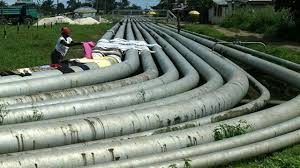
The numbers paint a troubling picture. In February 2026, available generation capacity dropped to 4,384 megawatts far below the country’s installed capacity of about 13,000 megawatts and grossly inadequate for a population exceeding 200 million. Transmission infrastructure can wheel only about 6,000 megawatts, while distribution companies continue to lose significant volumes of power to technical inefficiencies, poor metering, and outright theft.
The situation worsened in March, with reports indicating a 43 per cent drop in gas supply crippling thermal power plants that account for the bulk of Nigeria’s electricity generation. Compounding the crisis is a mounting debt burden estimated at ₦6.8 trillion, leaving operators across the value chain struggling to meet obligations.
Despite plans requiring roughly $23.2 billion 65 per cent expected from private investors experts warn that current market conditions may deter much-needed capital inflows. The World Bank has consistently flagged Nigeria’s electricity sector as trapped in a cycle of underperformance, driven by weak cost recovery and operational inefficiencies.
Similarly, the African Development Bank has stressed the need for urgent reforms to strengthen governance and create an investor-friendly environment. Regulators acknowledge the strain. The Nigerian Electricity Regulatory Commission(NERC) notes that persistent revenue shortfalls continue to undermine market stability, while Minister of Power, Adebayo Adelabu, has warned that the sector’s financial model is no longer sustainable.
“There is no way the sector can survive without addressing its liquidity challenges,” Adelabu said recently, calling for cost-reflective tariffs alongside safeguards for vulnerable consumers. Energy analysts agree. They argue that without credible revenue assurance, investors will remain wary.
Concerns over tariff structures, poor collections, and systemic inefficiencies continue to erode confidence in the market. Amid the challenges, the government is betting on decentralised solutions. The Rural Electrification Agency(REA) is expanding mini-grids and solar home systems, positioning off-grid energy as the fastest route to bridging access gaps, especially in underserved communities.