


In a compelling address marking his birthday, the Presiding Bishop of Mercy Tabernacle, Dr. Bankole Jefferson, has charged Nigerians with taking collective responsibility to solve the nation’s multifaceted problems.
He presented a detailed roadmap for national renewal, categorizing the urgent needs into four interconnected areas requiring targeted reforms.
Highlighting the interconnected nature of Nigeria’s challenges, Bishop Jefferson stated that transformation is achievable if citizens join hands with a sense of purpose and responsibility.
On the economic front, Bishop Jefferson identified the country’s reliance on oil as a primary vulnerability, making the economy susceptible to global price shocks and exacerbating corruption.
He emphasized the need to revitalize the agriculture sector by investing heavily in the entire value chain and to promote solid minerals mining with proper regulation.
He also recommended supporting technology and entrepreneurship by investing in digital infrastructure and tech hubs to leverage Nigeria’s youthful population.
Furthermore, he stressed the need to improve macro economic management by sustaining monetary and fiscal discipline to manage inflation and improve tax collection.
Describing corruption as “a pervasive factor that undermines every other developmental effort,” Bishop Jefferson outlined critical reforms. He called for strengthening anti-corruption agencies like the EFCC and ICPC by granting them true independence and adequate funding.
He also advocated for enhancing transparency through legal reforms that mandate public access to officials’ asset declarations and the use of technology in public finance. Other key recommendations included establishing special courts to speed up corruption cases and enforcing comprehensive protection programmes for whistleblowers.
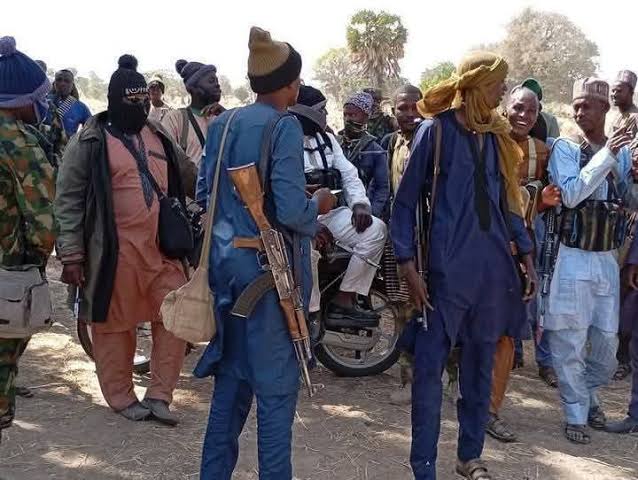
Addressing the severe national insecurity that hinders economic activity and governance, the cleric proposed security sector reforms such as enhancing intelligence gathering and modernizing security forces with better equipment.
To tackle the root causes, he emphasized the need for community policing to foster stronger partnerships and investing in human development through quality education and job opportunities to provide the youth with alternatives to crime.
On governance, Bishop Jefferson advised on the need to manage power and resources for the collective good.
He recommended depoliticizing key public institutions and prioritizing public spending on critical infrastructure like electricity and transport.
He also promoted inclusive governance to ensure equitable resource distribution and advocated for expanding social safety net programs to cushion the impact of economic reforms on the poorest citizens.