

The Benue State Steering Committee on Climate Action and Peace Building has fully taken off in the state with a mandate to provide oversight, strategic guidance, and recommendations for implementing the project’s activities across the state.
Speaking with journalists at the event held in Makurdi, Senior Project Officer with International Alert, Nigeria, Mr Kengkeng Ati, explained that “Tproject is an Irish Government funded project that seeks to address conflict created by climate stress, areas where the rainfall is low, the water bed is drying up, yield in the soil is less, and hotness of the water reduces to rainfall”.
“So what we are doing is to address the conflict created by that scarcity of resources because since water is not flowing, food will be less, agro yield will be poor, and that is already reason to go and farm on another piece of land that yield more.
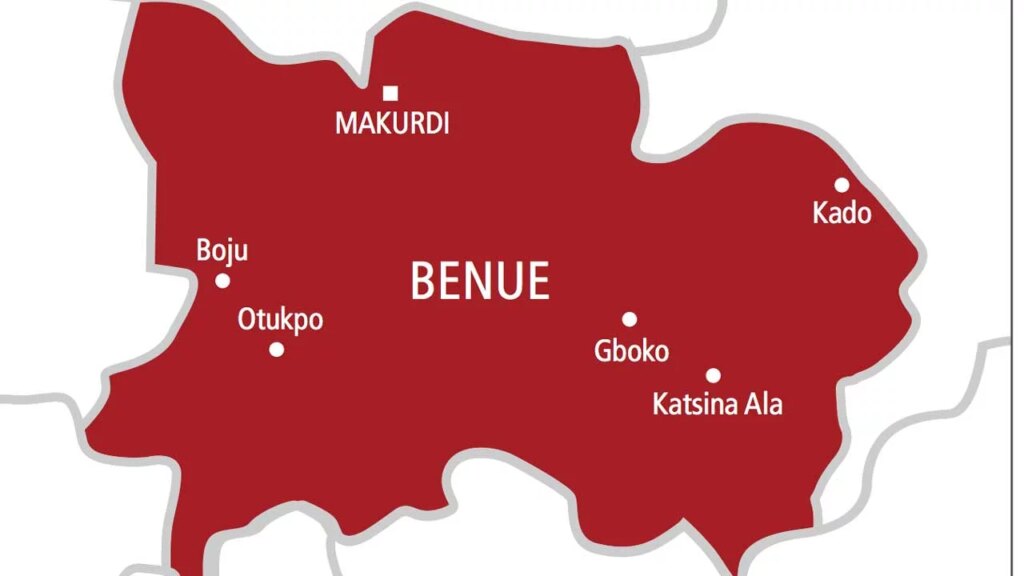
“Specifically, we are working in Agatu to handle the conflict between Egba and Olochologba communities; we are addressing the challenge in Naka and Aondona, where there is no conflict there but there is climate stress there and then in Fiidi in Makurdi LGA between Tiv and Fulani over land and cultural resources.
He said Benue state has been grappling with the effects of climate change, including reduced rainfall, drying water tables, declining soil yields and unusually hot weather.
Ati noted that even in December, the harmattan season had failed to arrive, describing it as a clear sign of climate disruption.
He said, “These pressures have intensified disputes over land and resources. The project is focusing on three local government areas: Makurdi (Fiidi), where Tiv and Fulani communities have clashed; Gwer West (Naka and Aondoana), which faces climate stress without direct conflict; and Agatu (Egba and Ologba), where disputes persist between Egba and Olochonogba communities.
“To ease tensions, climate hubs have been established in Fiidi, with another under development in Agatu. The hubs feature weather stations with computerised monitoring, biogas production facilities, briquette-making machines, fish-drying technology, and solar-powered boreholes with overhead tanks to improve water access.
“Fish ponds in Fiidi and Agatu are also being rehabilitated to boost food security and income generation”.
He said the project is being implemented in partnership with the Benue State Council on Climate Change, established under Governor Hyacinth Alia’s administration. The council, according to Ati, is expected to take ownership of the climate hubs to ensure sustainability beyond the project’s one-year cycle.
He implored communities to embrace innovation, saying: “My advice to the people of Benue is to open your hearts, embrace new technology, abandon old systems that fuel conflict, and prepare to live fruitful lives in the future”.
Sunday Telegraph reports that the objectives of the committee include: Tackling the dual challenges of climate stress (such as drought, land degradation, and resource scarcity) and conflicts (like farmer-herder clashes) within and between communities.
Ensuring the sustainability of climate hubs and other project interventions beyond the project’s one-year duration. Empowering local communities to build peace through inclusive climate action.
Fostering dialogue and cooperation between government actors and marginalised communities to develop conflict-sensitive climate policies and plans.
Developing shared Local Peace and Adaptation Plans by bringing together groups in conflict to analyse climate and conflict issues jointly.