

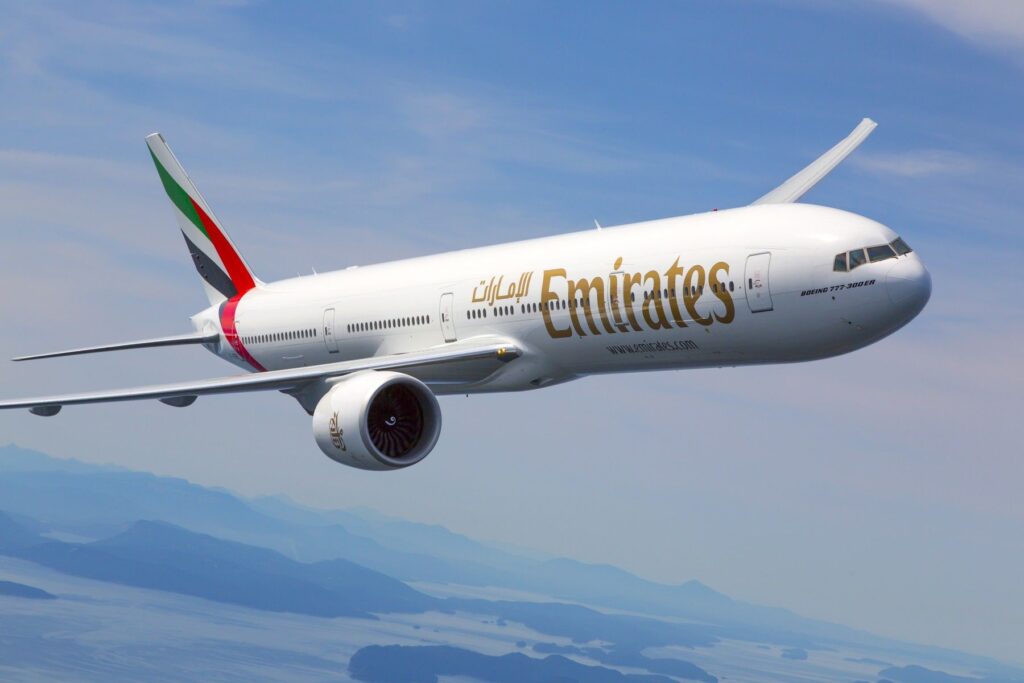
Nigerian carriers are lamenting the sharp drop in load factor, especially after the peak Yuletide season, a situation they said is leading to revenue losses and hinted at a possible hike in fares in the near future.
The spokesman for Airline Operators of Nigeria (AON), the umbrella body for airlines in the country, Prof Obiorah Okonkwo, said that from late January and into February, the carriers were practically flying empty because the market was low.
He admitted that airfares cannot be adjusted simply because of citizens’ low income, stating that he had encountered arguments that some citizens earn below N100,000 per month and that, for such people, it would take them the rest of their lives to save and buy an air ticket.
While not ruling out a further spike in fares, Okonkwo stated that as long as operational costs and interest rates remain high, air fares in Nigeria will continue to be high, saying: “We just pray there will be no additional factor that would cause a spike.”
Speaking to New Telegraph at the weekend, the Chairman of United Nigeria Airlines disclosed that the airline is now flying at a loss due to the low-peak season. He said, “I have checked my capacity today; some routes are averaging below 50 per cent. As industry experts, we know that even with a 75 to 80 per cent passenger load, we are still losing money.
So, we are going to be losing money for the next month or a few months.” He stated this amid raging concerns about the alleged exploitation of many Nigerian travellers by airlines, especially during the last Yuletide, when fares jumped by over 350 per cent, forcing many to travel by road.
He noted that in other parts of the world, airlines ground their aircraft, and only those with the financial muscle to bleed and sustain the losses continue to fly, revealing that his economy for March and February must befactored into my annual calculation.
“You have financial obligations to banks, and you must present business plans and financial projections before borrowing money. So we need more understanding of how this works. We do not even have the opportunity to form a cartel and fix prices.”
He explained, “For instance, if United Nigeria is waiting for an Aircraft, Crew, Maintenance and Insurance (ACMI), (wet lease) aircraft to operate routes in December and that aircraft arrives in Nigeria in mid-November, until it is inspected and approved by the Nigeria Civil Aviation Authority (NCAA), we cannot sell tickets for it.”