


Humanitarian aid cuts are pushing Nigeria deeper into a hunger emergency, with food assistance plummeting from 1.3 million people reached during the 2025 lean season to just 72,000 expected to be assisted in February, the UN World Food Programme has warned.
According to the WFP, Nigeria is at the centre of a widening West and Central Africa food crisis, alongside Chad, Cameroon and Niger, which together account for 77 per cent of all food-insecure people in the region.
In Nigeria alone, 15,000 people in Borno State are at risk of catastrophic hunger, marking the first time in nearly a decade that such extreme conditions have returned.
Funding shortfalls last year forced the WFP to scale down nutrition programmes in Nigeria, affecting more than 300,000 children. Since then, malnutrition levels in several northern states have deteriorated from “serious” to “critical”, underscoring the rapid reversal of humanitarian gains.
“The reduced funding we saw in 2025 has deepened hunger and malnutrition across the region. As needs outpace funding, so too does the risk of young people falling into desperation,” said WFP Deputy Regional Director Sarah Longford.
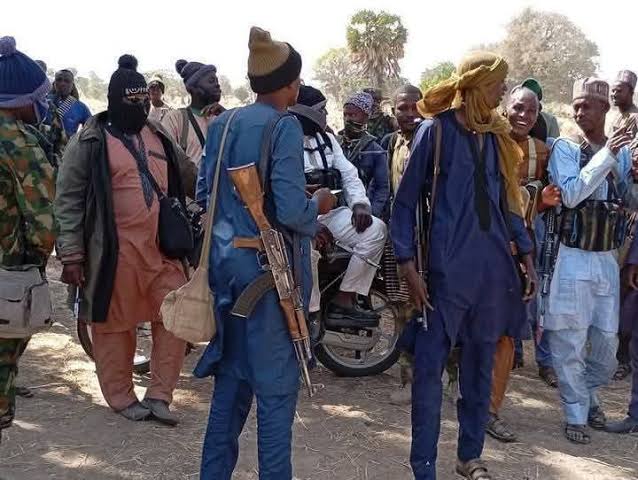
The UN agency added that the crisis is compounded by continued insecurity, which has disrupted critical supply lines to major cities, including food distribution. As a result, 1.5 million of the country’s most vulnerable people risk facing crisis levels of hunger, even as aid agencies struggle to maintain operations.
The WFP says the reduced funding seen in 2025 has pushed communities beyond their ability to cope, warning that as needs continue to outpace resources, the risk of desperation, particularly among young people, will rise.
Across West and Central Africa, the agency said it urgently requires more than $453m over the next six months to sustain humanitarian assistance. Without a shift in funding and approach, the UN warns that hunger, malnutrition and instability in Nigeria and the wider region will continue to worsen.
Longford urged governments and their partners to step up investment in preparedness, anticipatory action, and resilience-building to empower local communities.
“To break the cycle of hunger for future generations, we need a paradigm shift in 2026,” Longford said.
Concerns about the resurgence of insecurity in the twilight of 2025 had been expressed by the analysts at Afrinvest in their 2026 projections with warnings that it could put a damper on the “cautious optimism” that analysts hold about the year.
The analysts said, “2025 is closing amid a resurgence of insecurity across the country (+6.0k killed, +5.0k abducted, +4.0m displaced), attracting increased external concern and offers of support to curb insurgent activities. The otherwise positive outlook for 2026 could be materially undermined if this negative trend persists. Population displacement and community-level violence undermine local economic activity, distort labour markets, and depress productivity across affected regions.
“Persistent insecurity disrupts food production and supply chains while eroding investor confidence and dampening investment appetite. Unplanned security-related expenditures and emergency support for affected people/communities exacerbate fiscal imbalances over time. A country’s international reputation compromised by security challenges may hinder its ability to achieve global recognition and reap associated benefits for its citizens, potentially limiting its influence and opportunities on the world stage.”
PwC, in its outlook earlier this year, echoed similar thoughts, noting that “Food insecurity and climate shocks may push more Nigerians into acute hunger, fuelling supply-side inflation, if not controlled.”
The PUNCH reported that the US started reducing aid as part of its ‘America First’ policy last year, and other countries in the West have cut aid to increase their spending on defence.