

The Speaker of the House of Representatives, Tajudeen Abbas has advised against the hasty push to ban use of plastic in the country.
He warned that a poorly planned ban on single-use plastics could disrupt livelihoods and destabilise industries that rely heavily on plastic materials.
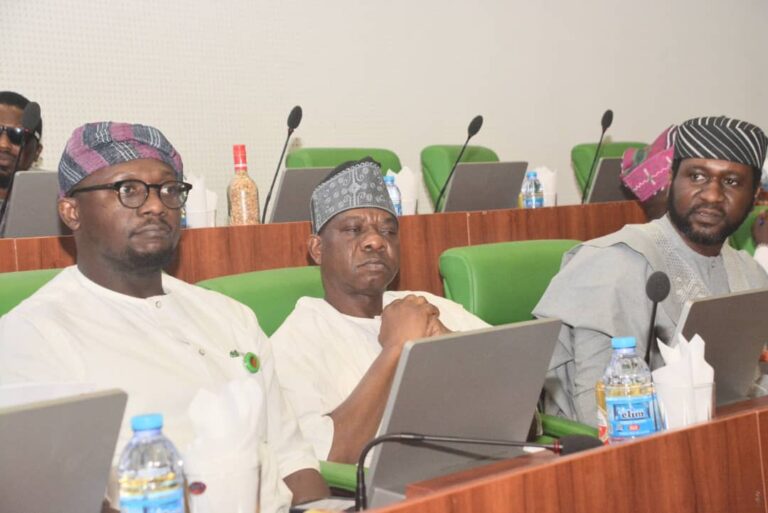
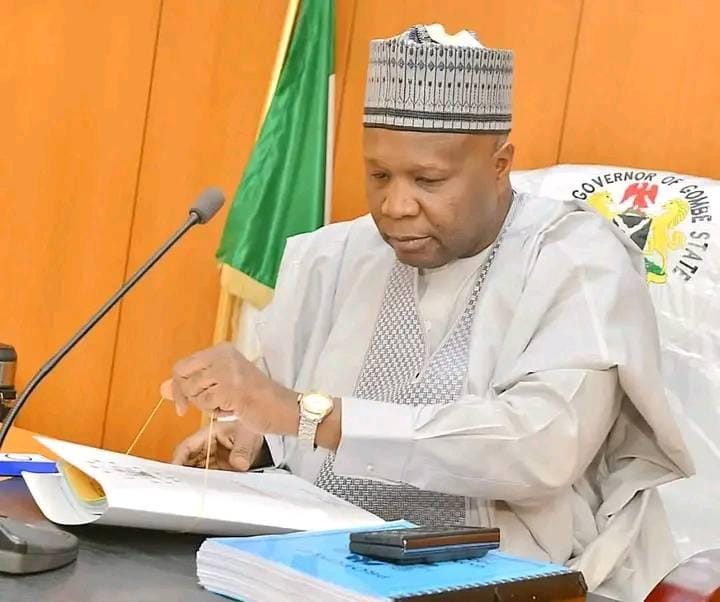
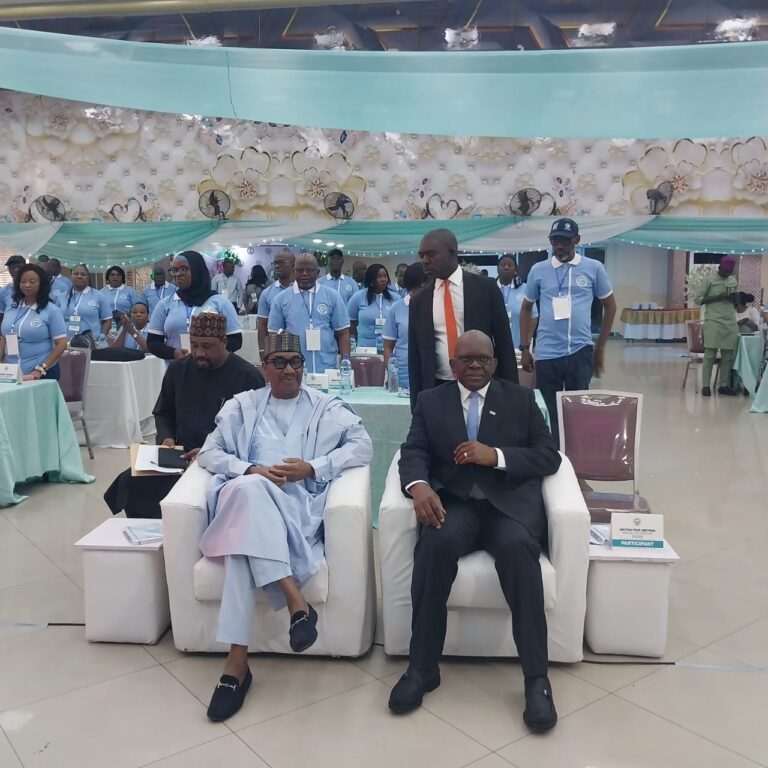
Abbas gave the warning in Abuja while declaring open a public hearing organised by the House of Representatives Ad-hoc Committee on Preparedness for the Single-Use Plastic Ban in Nigeria at the National Assembly Complex.
While acknowledging the urgent need to confront Nigeria’s growing plastic pollution crisis, the Speaker stressed that the transition away from single-use plastics must be carefully structured to balance environmental protection with economic realities.
According to him, plastics remain deeply embedded in Nigeria’s commercial ecosystem, supporting thousands of businesses across manufacturing, packaging, distribution and the informal waste-recycling sector.
He warned that sudden policy pronouncements without adequate preparation could disrupt supply chains, threaten investments and affect the livelihoods of many Nigerians whose daily income depends on the plastic value chain.
Abbas noted that Nigeria is already grappling with a severe plastic waste challenge that continues to undermine environmental sustainability across the country.
“Our nation is grappling with a severe plastic waste menace that chokes our drainages, degrades our soil quality, threatens marine life in the Niger Delta and the Atlantic coastline, and ultimately infiltrates our food chain,” he said.
The Speaker explained that the visible spread of plastic waste across cities, waterways and dumpsites highlights the scale of the environmental challenge confronting the country.
He emphasised that while Nigeria must take decisive action to reduce plastic pollution, the transition must be orderly, inclusive and evidence-driven, ensuring that environmental reforms do not come at the cost of economic stability.
Earlier, the Chairman of the Ad-hoc Committee, Terseer Ugbor, said the committee intends to develop a comprehensive legislative framework that balances environmental protection with the economic implications of phasing out plastics.
Ugbor explained that the committee’s work is focused on designing a practical and sustainable roadmap that will guide Nigeria’s transition away from problematic plastics.
“We are not here to debate whether a transition away from problematic plastics should happen,” he said.
“The real question is how that transition can occur in an orderly, efficient and equitable manner that protects both our environment and our economy.”
He added that the committee aims to develop a uniquely Nigerian solution capable of moving the country away from the traditional linear“take-make-dispose” economic model toward a circular system that promotes reuse, recycling and sustainable innovation.
At the hearing, a coalition of Civil Society Organisations under the Community Action Against Plastic Waste and the Young Female Journalists Network threw their weight behind the proposed ban on single-use plastics.
Speaking on behalf of the coalition, Ms. Errit Effanga urged the Federal Government to align Nigeria’s environmental policies with global standards in addressing plastic pollution.
She noted that global plastic production has increased more than 200-fold since 1950, with over 11 million tonnes of plastic waste entering aquatic ecosystems every year.
Effanga also warned that plastics contain thousands of chemical additives linked to serious health risks, including endocrine disruption, cancer and reproductive harm.
According to her, more than 130 countries around the world have already introduced bans or restrictions on single-use plastics, with evidence showing that well-designed policies can reduce plastic pollution by between 30 and 80 per cent within a few years.
However, representatives of manufacturers and businesses that rely heavily on plastic packaging cautioned against an immediate ban, warning of serious economic consequences.
The Executive Director of the Food and Beverage Recycling Alliance, Onaghise, said the industry recognises the environmental dangers associated with plastic waste but stressed that abrupt restrictions could negatively impact businesses and investments.
She disclosed that companies within the alliance have already invested over ₦1.3 billion in plastic waste collection infrastructure, while the broader industry has committed more than ₦3 trillion to recycling facilities.
Onaghise noted that although alternatives such as glass, paper and aluminium packaging exist, they present their own environmental and logistical challenges, including higher energy consumption, increased transportation costs and greater resource demands.
She also pointed out that for sachet water popularly known as “pure water” there is currently no widely applicable alternative to single-use plastic packaging.
According to her, transitioning to biodegradable or sustainable packaging options would require significant government support and a transition period of up to 14 years to allow industries to adapt without major economic disruptions.








