
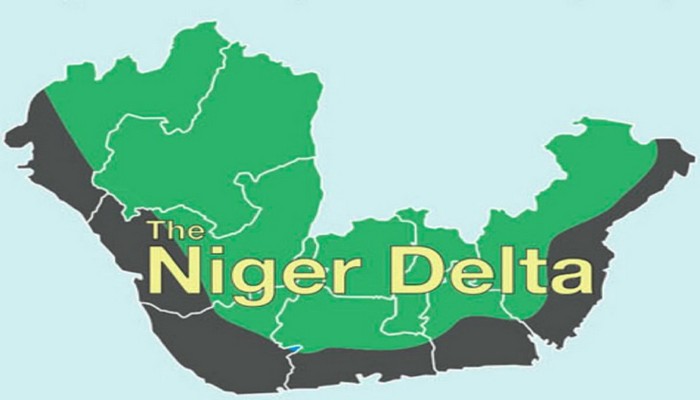
Kebetkache Women Development Centre has called on the Federal Government to intervene in the oil industry to make the host communities real beneficiaries of the Petroleum Industry Bill (PIB), and to address what goes on in oil exploration in the Niger Delta region.
The Executive Director of Emem Okon made the call during a keynote address at the Dinner Night of the Correspondents’ Week organised by the Correspondents’ Chapel of the Nigeria Union of Journalists (NUJ) in Port Harcourt.
Okon faulted what she described as misplaced government priorities in addressing environmental degradation, warning against symbolic projects that do not address pollution at its root.
She also spoke on the cleanup of the Niger Delta, warning that limiting remediation efforts to Ogoniland alone will leave large parts of the oil-producing region in continued ecological ruin.
“We are told the federal government is now building a museum, which to me is another level of deception. Communities will begin to think the museum is going to bring something good for the community, and then they will sit and expect, and nothing reasonable will come out,” she said.
She argued that meaningful intervention must focus on environmental restoration, livelihood recovery and pollution control rather than symbolic infrastructure.
She lamented that multinational oil companies, government agencies and security structures collectively create a system that discourages community resistance or accountability demands.
Okon also called on journalists to intensify scrutiny of environmental legislation, particularly the Petroleum Industry Act, which she said contains provisions that many host communities do not fully understand.
“Environmental degradation in the Niger Delta demands urgent action. The media should take up the PIA and expose the hidden clauses, investigate and interrogate these things.”
She stressed that independent reporting was critical to closing the gap between policy and implementation, especially in the oil sector where communities often lack access to technical or legal information.
“Independent reporting exposes gaps between policy and practice, and when that is done, it strengthens implementation and also builds confidence and power of communities.”
The activist painted a bleak picture of affected communities, saying many residents remain silent despite suffering severe environmental and health consequences due to fear of powerful institutions.
“Communities most affected are often defeated. Some of them don’t even know that they can speak out. They abstain because they know that if they speak up, they are speaking against very powerful forces — the corporations, the government.”
“One of the women in Otuabagi said if you cut my waist, you will not see blood, you will see crude oil,” she recounted.