



So you have a gift card sitting somewhere, maybe it came from a friend abroad, maybe you bought it yourself and have leftover balance, and now you’re wondering: can I actually turn this into cash in Nigeria?
Short answer: yes. And people are doing it every single day.
This blog covers everything you need to know as a first-timer. Not just the “what” but the “how,” the “watch out for this,” and the “here’s how to get the best rate.”
First Things First: What Even Is Gift Card Trading?
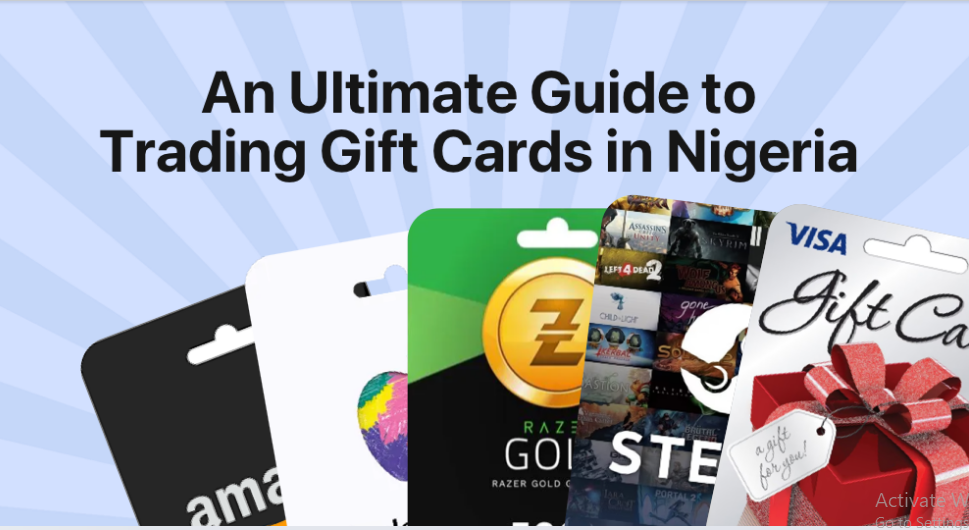
Gift cards are prepaid cards loaded with a fixed amount of money, usually tied to a specific store or platform — think Amazon, iTunes, Google Play, Steam, Visa, or eBay. They’re popular gifts in the US, UK, and Canada.
In Nigeria, most people can’t directly spend these cards because those platforms either don’t support Naira payments or require billing addresses in specific countries. That gap created an entire market: people who want cash sell their cards, and traders buy them.
So when someone says “trading gift cards,” they mean exchanging those cards for Naira either through a platform, an exchange app, or a P2P transaction.
Types of Gift Cards You Can Trade in Nigeria
Not every gift card trades at the same rate. Knowing which cards are in demand helps you understand what to expect.
High-demand cards (better rates):
Amazon (physical and e-code)
iTunes / Apple Gift Cards
Google Play
Visa/Mastercard prepaid gift cards
Steam Wallet
Medium-demand cards:
eBay
Sephora
Nordstrom
Nike & Adidas
Lower-demand or tricky cards:
Store-specific cards with regional restrictions
Cards with no balance history
Cards bought from unofficial sources.
How the Trading Process Works (Step by Step)
Here’s a simple breakdown of what actually happens when you trade a gift card:
- Check your card balance — Go to the retailer’s website and verify the balance before you start. Never assume the amount printed on the card is what’s remaining.
- Note the card details — Country of origin, card type, denomination, and whether it’s a physical card or an e-code.
- Choose a platform — This is where most beginners trip up. More on this below.
- Get a rate quote — Rates change frequently based on demand. A good platform shows you live rates before you commit.
- Submit your card — You’ll typically provide the card number and PIN (for e-codes) or upload an image of the physical card.
- Wait for verification — The platform checks if the card is valid and unredeemed. This usually takes a few minutes.
- Receive your Naira payment — Once verified, the payment hits your account. Reliable platforms do this fast — sometimes within minutes.
Where to Trade: Picking the Right Platform
This is the most important decision you’ll make. The wrong platform means slow payments, bad rates, or worse being scammed. There are three main options people use:
- Social media / WhatsApp traders: High risk. Rates can seem good, but there’s no accountability. Scams are common, especially for first-timers.
- P2P marketplaces: Slightly more structured, but still dependent on individual traders. Disputes are messy.
- Dedicated gift card trading apps: The safest and most efficient option. These platforms offer live rates, instant verification, and direct bank transfers. If you’re looking for the best app to trade gift cards in Nigeria, TradeCard stands out for its transparent rates and fast payouts.
Common Mistakes to Avoid When Trading Gift Cards in Nigeria
If you’re new to this, these are the pitfalls that catch most people:
- Sharing your card on social media
Once you post a gift card image publicly, it can be redeemed before you even find a buyer. Never share card details publicly.
- Not verifying your card balance first
If you sell a card with less balance than you claimed, the buyer will flag it. This can hold up payment or flag your account.
- Chasing the highest rate without checking credibility
A platform offering 95% when others offer 75% is either lying or about to disappear with your card. Be realistic.
- Waiting too long after getting a quote
Rates fluctuate. If you get a quote, act on it quickly or the rate may drop.
- Using unverified WhatsApp traders
No regulation, no recourse. Stick to apps and platforms with reviews and a track record.
How to Sell Gift Cards in Nigeria Safely
If you want to sell gift cards in Nigeria without stress, here’s a quick checklist:
✅ Verify your card balance before initiating any trade
✅ Use a registered, reviewed platform — not random DMs
✅ Never share your full card details until you’re on a secure platform
✅ Check the live rate before submitting
✅ Use your real bank account for receiving payment
✅ Keep a screenshot of your transaction until payment clears
The process, when done right, takes less than 10 minutes from start to payment.
What to Do If a Transaction Goes Wrong?
Even on good platforms, issues can come up. Here’s how to handle them:
Card showing as already redeemed : This usually means the card was used before you got to it. Contact your card issuer (Amazon, Apple, etc.) to dispute.
Payment delayed: Most platforms have a maximum processing time. If it’s past that window, contact support with your transaction ID.
Rate dispute: Always screenshot your rate before submitting. That’s your reference if there’s a discrepancy.
Account flagged: This can happen if you trade frequently with inconsistent card origins. Keep your trading history clean.
Final Word
Trading gift cards in Nigeria isn’t complicated, but it does require some basic knowledge to avoid losing money or getting scammed. Start with a reputable app, verify your card before trading, understand that rates are always below face value, and keep records of every transaction.
Once you do it a couple of times, the whole process becomes second nature. Most people who trade regularly are in and out in under 10 minutes, Naira in their account before the end of the day.
That’s the game. Now you know how to play it.








