

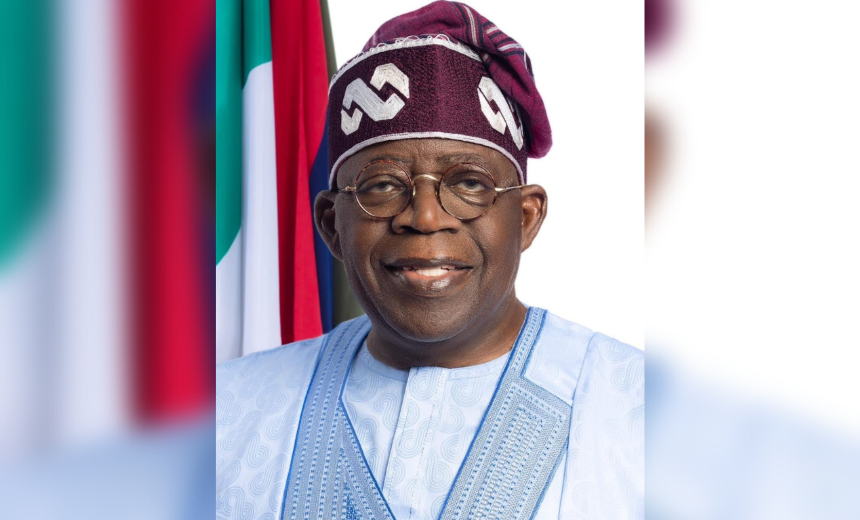
The Minister of Aviation and Aerospace Development, Festus Keyamo, has clarified that the Federal Government will not write off all debts owed by airlines, stating that President Bola Tinubu will decide the percentage to be waived.
Keyamo said the move is part of ongoing efforts to cushion the impact of rising aviation fuel costs on airline operators and, ultimately, passengers.
In a chat with our correspondent on Thursday, the minister said, “We cannot do so now, because the presentation will be made to the President and he will make a decision as to the actual percentage.”
Recall that operators had raised the alarm after aviation fuel climbed by over 300 per cent compared to its pump price in February. The airline owners threatened to shut down if nothing was done to tame the skyrocketing price of Jet A1 fuel.
Following this development, Keyamo sought an audience with the operators with a view to finding a solution to the ongoing crisis.
Meanwhile, senior airline officials who spoke with The PUNCH said they are neither owing the Federal Airports Authority of Nigeria nor the Nigerian Airspace Management Agency.
The officials, who do not want their names in print due to the complexity of the discussion, added that what they are asking from the government is adequate intervention that can cushion the effect of the fuel price.
The sources added that they are also requesting the removal of the five per cent ticket surcharge, a fee usually taken by the Nigerian Civil Aviation Authority. The sources added that the meeting is ongoing and has extended into Thursday, the second day, with the minister.
At the earlier meeting with the operators on Wednesday, Keyamo explained that while discussions were ongoing, no final decision had been taken on the exact portion of the debt that would be written off to cushion the effect of the fuel price on the operators.
Keyamo also disclosed that the President is considering broader reforms aimed at reducing the burden of multiple taxes and charges on domestic air travel. According to him, Tinubu has directed that a proposal be submitted for the setting up of a committee to address the issue.
He said, “The second request Mr President has asked that we should bring for him to consider fully and grant is that he wants to set up a committee to address the issues of levies, taxes, and fees on domestic tickets once and for all.”
He noted that the issue of multiple charges has been a long-standing concern for both operators and passengers, often blamed for high ticket prices in the country.
“This request has been on for a long time. So Mr President will put the team together, and he’ll give them a deadline to report to him as quickly as possible on the government fees and charges and levies that we can take off domestic tickets for now to give respite to Nigerians who are also buying their tickets,” Keyamo added.
The minister further revealed that the President plans to engage airline operators directly to discuss wider challenges facing the industry. “And of course, he’ll consider a date for the airline operators to meet him one-on-one for the other more robust discussions regarding access to capital and all of that,” he said.
When contacted, a former Rector of the Nigerian College of Aviation Technology, Zaria, Capt Samuel Caulcrick, described the proposed government intervention as inadequate, warning that it may not address the deeper challenges facing airline operators in the country.
Caulcrick said the move to waive part of the airlines’ debt, while commendable, only offers temporary relief and does not tackle the structural issues affecting the industry.
He said, “That solution is cosmetic for me. Until the Nigerian government can ensure that operators can borrow money at single-digit interest rates, solutions like this will not immediately solve the problems at hand. Aviation is unique in terms of profit margin, and the reason it has very slim margins is because of strict regulations and the high cost of safety.”
He further explained that the aviation sector is heavily burdened by mandatory safety checks and compliance requirements, which significantly increase operational costs.
He queried, “There are so many mandatory checks that must be done, and these processes gulp a lot of money. If the debts are discounted now, what happens after a while? The total profits generated in 2024 were only about $36bn globally, which is what a company like ExxonMobil can generate in a quarter. That tells you how tight the margins are.”
The aviation expert stressed that access to affordable financing remains the most critical issue that must be addressed to ensure long-term sustainability of the industry.
He further stated, “The biggest thing that can be addressed now is the cost of borrowing. If that is properly handled, there will be fresh air in the industry. In more developed nations, airlines borrow at two to three per cent. Until we get there, we may not be addressing our problems in real time.”