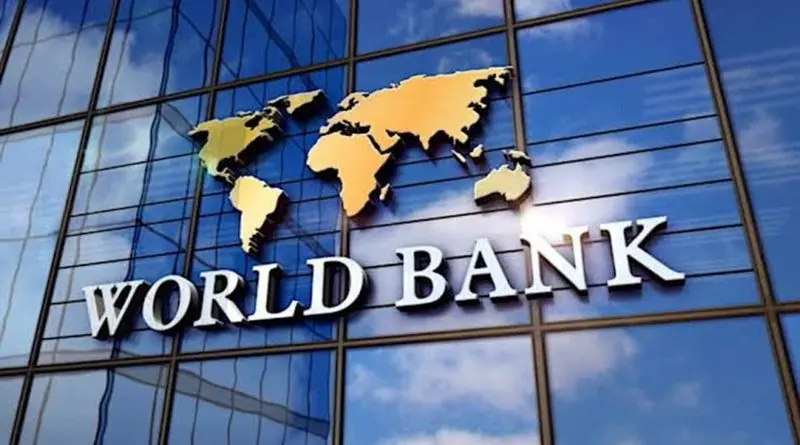
The World Bank has clarified its recommendation that Nigeria should allow imports of Premium Motor Spirit (PMS).
The recommendation that the country should allow imports of PMS is one of several contained in the bank’s latest Nigeria Development Update released on Tuesday.
However, in a statement made available to New Telegraph, the multilateral development institution said it realized that, “Such recommendation may run counter to efforts that countries around the world are undertaking to ensure their energy and national security.”
It also acknowledged that, “Transitioning toward a competitive retail market for Premium Motor Spirit is an important policy direction that requires a well-sequenced implementation strategy that guarantees the quality and standards of all petroleum products.”
The statement read: “The World Bank Group released its April 2026 edition of the Nigeria Development Update on April 7. Included in the report is a recommendation to allow imports of premium motor spirit.
“Given current global energy supply disruptions, such recommendation may run counter to efforts that countries around the world are undertaking to ensure their energy and national security.
“In the case of Nigeria, the focus should be to provide targeted support to the most vulnerable people through their well-functioning social safety net system, and the World Bank Group stands ready to step up its existing support.
“Over time, transitioning toward a competitive retail market for Premium Motor Spirit is an important policy direction that requires a well-sequenced implementation strategy that guarantees the quality and standards of all petroleum products.
“The World Bank Group recognizes the efforts of the Government of Nigeria and the Nigerian private sector in taking concrete steps to safeguard fuel supply — a foundation that is essential to protect consumers and businesses.”
Saturday Telegraph reports that the clarification comes amid growing criticism, including from respected energy experts, who questioned the implications of the recommendations for Nigeria’s domestic refining ambitions.
Interestingly, the Dangote Refinery, Nigeria’s only functional refinery, which is owned by Africa’s richest man, Aliko Dangote, has always argued that it could supply all the country’s fuel requirements and that there was no need allowing importation of fuel that are sometimes of doubtful quality.
Analysts also note as the debate over the recommendation intensified, the World Bank reportedly took down the webpage hosting the Nigeria Development Update.