


In its renewed efforts to address the threat of circulating polio virus, the Adamawa State Government, in collaboration with UNICEF, has kicked off a 4-day integrated National Immunisation Plus Days (NIPDs) campaign targeting about 1.4 million children under the age of five across the State.
The campaign exercise aimed at strengthening resistance and protecting children against polio, malaria and other preventable deadly childhood diseases.
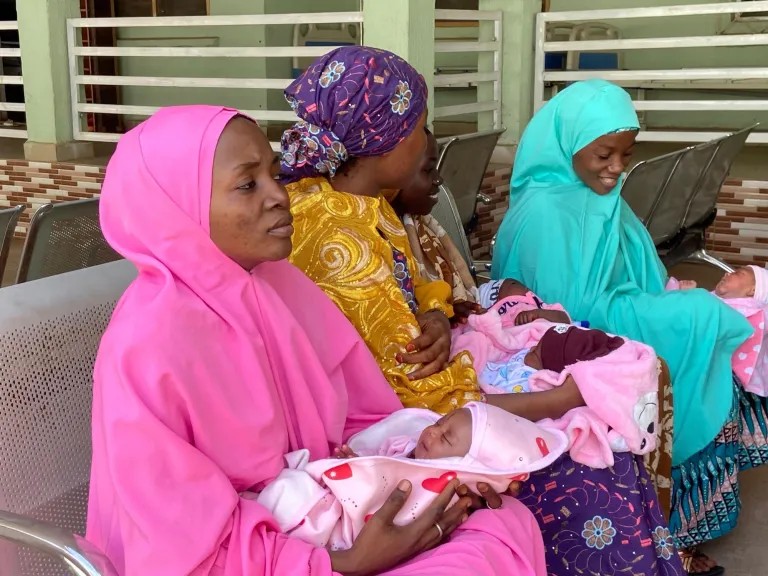
At the Nana Asma’u Healthcare Centre in Yola South Local Government Council, children under five were seen receiving two drops of the polio vaccine as part of the exercise.
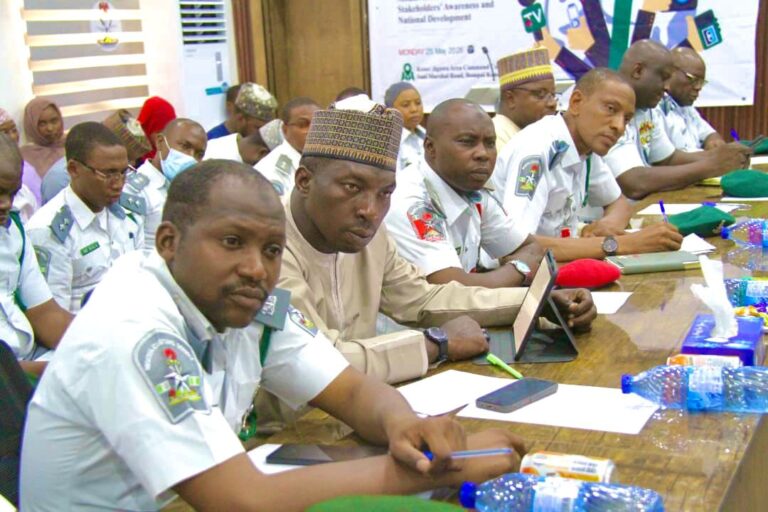
The representative of the Executive Chairman of the Adamawa State Primary Healthcare Development Agency (ADPHCDA), Hajiya Asma’u Usman Hona, expressed gratitude to UNICEF and WHO for their support.
Hajiya Hona explained that the initiative is part of a broader sub-national immunisation effort covering 12 states across Nigeria, reinforcing the country’s ongoing efforts to maintain its polio-free status.
She noted that the campaign will run for four days, with an additional two-day buffer period to reach children who may have been missed.
In an interview with journalists, UNICEF Health Officer, Mr Oluseyi Olosunde, said Nigeria has been able to interrupt the spread of polio; however, we still have to consolidate to make sure that all children are protected from the danger of polio.
Mr Oluseyi Olosunde emphasised that UNICEF’s central focus is a target of 1.5 million children, as well as ensuring that every eligible child is vaccinated.
“In addition to the polio vaccine, it’s also a routine immunisation vaccine, describing immunisation as children’s bodyguard”, advising “every child delivered within two to at least one week should visit the health centre for check-ups and immunisation”, he emphasised.
He called on Community leaders and parents to encourage mothers to take their children aged 0 to 5 to be vaccinated, noting that polio infections in one child can quickly spread to others if left unchecked.
Speaking on the availability of the vaccines, the UNICEF Field Officer said, “An additional 25,000 doses of the vaccine were delivered on Sunday from UNICEF as a supplement in case of any shortage”.
Caregivers at the Nana Asma’u Healthcare Centre, Aisha Daihiru and Jamila applauded the initiatives, thanked Adamawa State Government and UNICEF for the opportunity and encouraged other parents to ensure their children are vaccinated.
Our Correspondent reports that the campaign represents a critical step in safeguarding children’s health and reawakening immunisation awareness across the twenty-one local government areas of Adamawa State.