


eHealth Africa has officially rolled out strategic plans to Strengthen Public Health Emergency Preparedness and Response Across Africa. The Public Health Emergency Management (PHEM) Strategy plan for 2026–2028 is a critical roadmap designed to strengthen emergency preparedness, improve coordination, and enable faster, data-driven responses to public health threats.
This plan aims to galvanise the strengths of stakeholders in the public health and emergency response space to address the systemic gaps in Nigeria’s public health emergencies and response systems.
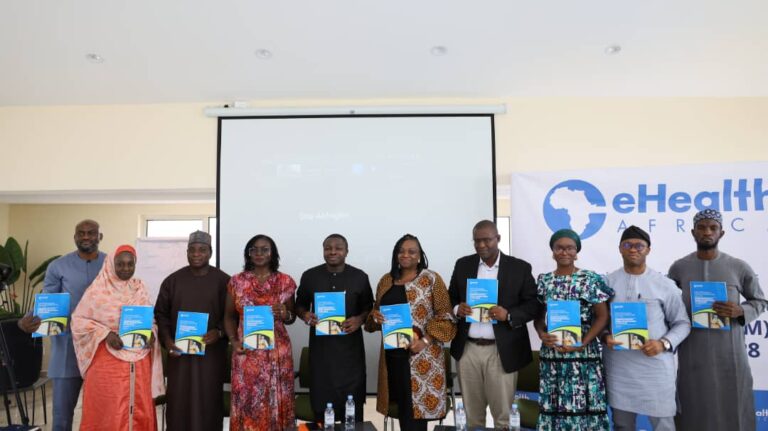
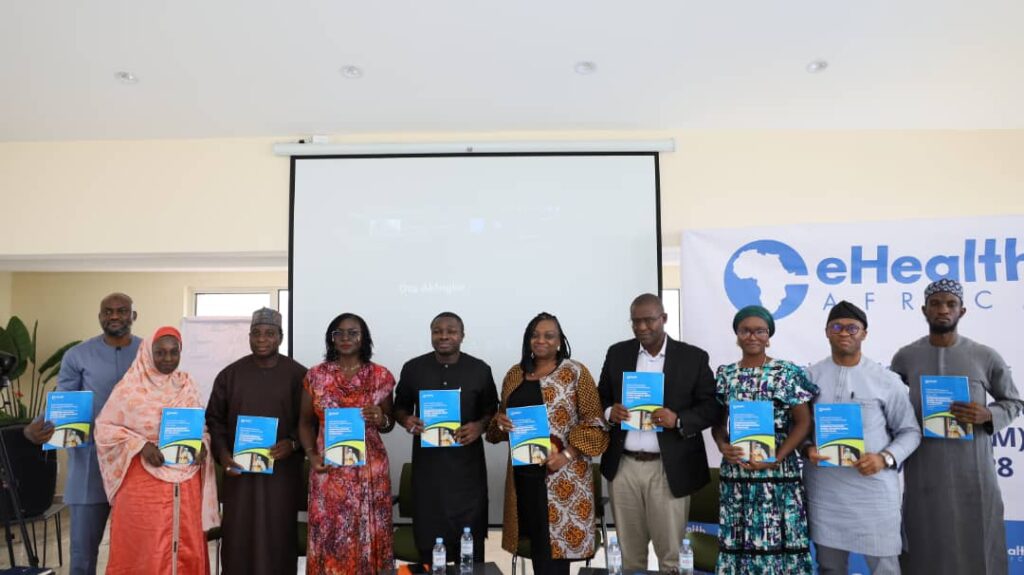
The strategy was unveiled at a stakeholder dissemination event held in Abuja, convening government partners, donors, academia and technical stakeholders to align on priorities for implementation.
In recent years, global health events have demonstrated the critical importance of strong emergency management systems, including functional Emergency Operations Centres (EOCs), clear coordination structures, and reliable information flows.
Building on its over a decade experience of constructing, upgrading and managing over 35 Public Health Emergency Operation centres across Africa, this critical strategy aligns national priorities with global best practices to ensure faster, more effective responses to health crises.
In this vein, eHealth Africa is taking the next step by further strengthening Emergency Operations Centres (EOCs), integrating Geospatial Tracking Systems, enhancing real-time data visibility, and building a skilled grassroot workforce to support timely and effective response.
This is in line with the organisation’s goal to continue supporting governments with scalable, technology-enabled solutions that improve health system performance and resilience.
As public health threats grow more complex, the strategy prioritises integrated systems, interoperable data, and cross-sector coordination, ensuring that decision-makers have access to the right information at the right time.
Speaking at the event, the Director of Programs and Partnerships at eHealth Africa, Ota Akhigbe, emphasised the importance of coordinated action in advancing the strategy’s objectives.
She said, “Strong national frameworks provide direction, but impact is determined by the capacity of states and local governments to detect, report, and respond effectively. Strengthening these capabilities requires coordinated systems, reliable data, and institutions that work together with clarity of purpose.”
The Deputy Director, Supply Chain and Program Delivery at eHealth Africa, Kazeem Balogun, also stated that: “The strategy is focused on strengthening community systems so diseases are identified before they escalate into full-blown outbreaks.
“By strengthening coordination structures, improving data visibility, and investing in workforce capacity at subnational levels, we are enabling systems that can respond more effectively, ultimately improving health outcomes and saving lives.”
The dissemination event provided a platform to review the strategy’s implementation approach, reinforce partner alignment, and identify opportunities for collaboration and impactful co-investment.
In her goodwill message, the National Coordinator at the Africa Centres for Disease Control and Prevention, Oluyinka Olayemi reiterated: “At a time when external health aid to Africa has declined sharply and public health emergencies are rising, our collective responsibility is clear: we must strengthen preparedness, invest in resilient systems, and build the capacity to prevent, detect, and respond to health threats so that Africa can secure its health future with greater independence and confidence.”
Through the PHEM Strategy 2026–2028, eHealth Africa aims to support countries within and outside Africa to anticipate, detect, and respond to public health emergencies more efficiently, contributing to stronger health systems and improved health security outcomes.