


The Teachers Registration Council of Nigeria (TRCN) has refuted claims of persistent technical failures on its digital platform, clarifying that the only disruption experienced was a brief one-week outage in December.
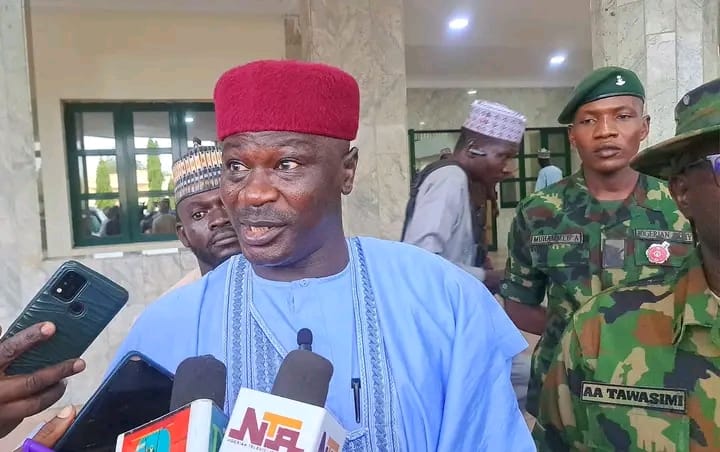
Registrar of the Council, Dr Ronke Soyombo, made this clarification on Thursday in Abuja while addressing journalists amid complaints from some teachers over alleged ongoing issues with the portal.
According to her, the temporary downtime was linked to problems with the Council’s former service provider, a situation that was quickly resolved after the contract was terminated and a new developer engaged.
She said: “In December, we had some issues with the developer, so our portal was down for one week. We resolved it and switched to another developer.”
She described reports suggesting continuous breakdowns as inaccurate and driven by ulterior motives.
Dr Soyombo maintained that the Council would not risk its operations or revenue obligations by running critical processes on an unstable system.
“As much as I am an educationist, I also have a responsibility to generate revenue for the government. Every agency is expected to remit 50 per cent. I would not announce an examination and have the portal down. That would be counterproductive,” she added.
While insisting that the platform has remained functional since January, the TRCN boss acknowledged that some users still struggle with access, largely due to limited digital skills.
“We still have teachers who cannot access the portal because of digital literacy issues. That is why our state offices remain open. At no time in January was the portal down.
She noted that the council has continued to implement measures to improve access for teachers, particularly those in rural communities where internet connectivity remains a challenge.
These efforts, she said, include deploying help desk officers to tertiary institutions, conducting mobile outreach programmes in select states, and intensifying awareness campaigns in underserved areas.
Dr Soyombo added that partnerships with key stakeholders such as the Nigeria Union of Teachers (NUT), state education commissioners, and other administrators have played a critical role in extending the council’s reach.
“We are not fully there yet; it is still a work in progress. But we are making efforts to ensure inclusivity and reach teachers in rural areas,” she added.
On plans to further enhance accessibility, the Registrar disclosed that the council is working towards launching a mobile application.
“By the end of April, we intend to introduce an app that will make access more convenient for users. We will also consider offline integration as suggested.”
Reaffirming the council’s regulatory mandate, she stressed that certification remains compulsory for anyone engaged in teaching across all levels of education in Nigeria.
“Whether you teach children or adults, you must be certified. The minimum qualification is the Nigeria Certificate in Education or a degree with relevant education training, such as a postgraduate diploma in education,” she noted.