

The Our Water Our Right Africa Coalition (OWORAC) has rejected any move to privatise water across Africa.
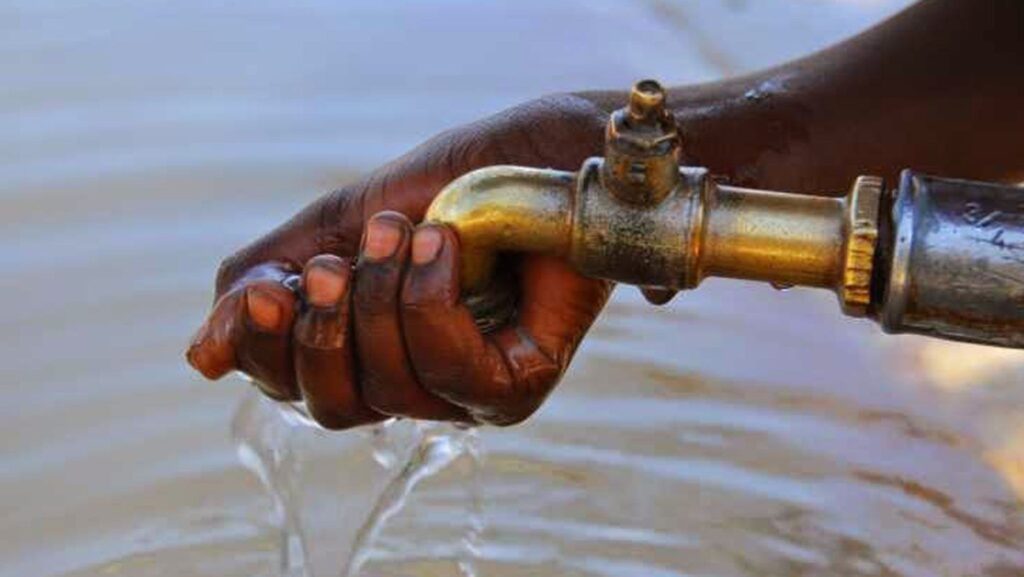
The Coalition warned that the poor would be left without access to essential commodities like water in the pursuit of profit, with women disproportionately bearing the brunt of trekking long distances in search of the life-saving resource.
OWORAC is a coalition of civil society organisations, local communities and trade unionists from across Africa that rejects all forms of water privatisation and corporate control of water.
At a press conference in Lagos to commemorate World Water Day 2026, themed “Water and Gender”, the coalition lamented the neglect of publicly controlled water systems by policymakers and decision-makers across Africa, as governments increasingly opt for privatisation that results in unaffordable water bills, labour abuses and unaccountable water governance.
In the press conference organised by the Senegalese Water Justice Network, Nigeria’s Corporate Accountability and Public Participation Africa (CAPPA), Ghana’s Water Citizens Network, Revenue Mobilisation Africa and eight other organisations, OWORAC said this year’s theme underscores the critical importance of addressing the gender inequality inherent in households facing acute water crises.
“As the world comes together to mark World Water Day, we must remain clear-eyed about two of the pillars underpinning the global water crisis: gender inequality and corporate greed.
Across Africa, women and girls pay the highest price when governments relinquish public water systems to private interests,” said Fatou Diouf of the Senegalese Water Justice Network, on behalf of OWORAC.
The group noted that billions of people currently lack access to safe water.
“As is the case with many societal crises, the water crisis is not felt evenly across the globe or even within communities. The fact remains that women and girls face an alarmingly disproportionate impact when safe water is not readily available.”
OWORAC is also concerned by reports that the Government of Zimbabwe is considering scrapping the Zimbabwe Gender Commission.
It said that at a time when the global community is recognising the deep connections between water access and gender equality, dismantling one of the few national institutions mandated to respond to women’s issues would represent a troubling step backwards.
“The Commission has been one of the few institutional spaces amplifying women’s concerns and advocating for access to basic services, including water. Weakening such a body risks further marginalising women in policy decisions that directly affect their livelihoods and wellbeing,” it said.
To underscore the importance of water accessibility, one of the speakers at the press conference, Mary Peluola, director of projects at the Women Advocates Research and Documentation Centre, recalled how, some years ago, at a Lagos general hospital where she had gone to give birth to her youngest child, a long electricity blackout led to a water shortage in the facility. She had to call her husband to bring water in gallons from home.
Other speakers, including CAPPA’s assistant executive director, Zikora Ibeh, and Holiness Segun-Olufemi, the programme officer for water, also condemned the commercialisation of water at the expense of public service.
Apart from water activists in Nigeria, speakers from Senegal, Kenya and Zimbabwe also spoke virtually, lamenting that profit had overridden public service in their communities.