

Stakeholders have emphasised that meaningful inclusion of women in politics remains critical to securing Nigeria’s future, calling on political parties to ensure fair access to party tickets for female aspirants.
The call was made amid growing concerns over the persistent underrepresentation of women in elective positions, despite their significant contribution to the country’s population and voting strength.
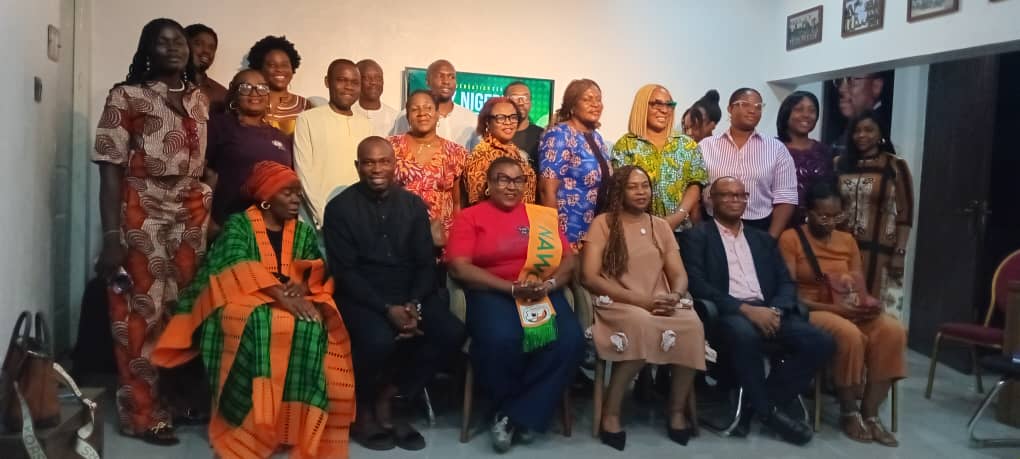
Chizoba Ogbeche, Vice President, Zone D, Nigeria Association of Women Journalists, at a conversation series themed: ‘Why Nigeria Needs More Women at the Table’ organised by Strategic Action for LeadershipTrust Initiative (SALTi) in collaboration with Nigeria Association of Women Journalists (NAWOJ, Zone D) in Abuja.
Ogbeche expressed concerns over the continued marginalisation of women in Nigeria’s political space, while questioning why more women are not being given party tickets despite their significant contribution to the electorate.
Ogbeche lamented that although women make up nearly half of Nigeria’s population and voting strength, they remain largely excluded from contesting elective positions.
“Women are not running, not because they lack capacity, but because they are not given party tickets,” she said, stressing that political parties must move beyond rhetoric and ensure the implementation of affirmative provisions that support women’s participation.
She noted that while discussions around gender inclusion often highlight representation, the real challenge lies in political will and enforcement. According to her, many party leaders publicly endorse women’s inclusion but fail to back it up during candidate selection processes.
She also criticised the conduct of legislative processes, citing instances where crucial decisions were taken without full participation. She recalled a recent voting session where many seats were empty, yet decisions were made through voice votes instead of proper counting.
“When constitutional amendments are being decided, lawmakers should stand up and be counted. That is what we demanded. But many avoid this because they do not want their positions on such issues to be publicly known,” she said.
She further pointed to the reluctance of Nigerians to seek legal redress, even when their rights are infringed upon. According to her, litigation remains expensive and inaccessible for many, despite efforts by organisations such as the International Federation of Women Lawyers (FIDA) to offer pro bono services.
“How many cases can they handle? The system itself discourages people from pursuing justice,” she added.
VP zone D emphasised that the struggle for women’s political inclusion is not just about present representation but about securing the future. She warned that without deliberate efforts to empower women politically, the cycle of exclusion would persist.
She called for a collective commitment from political actors, civil society, and citizens to support women’s participation in governance, insisting that meaningful change can only occur when women are encouraged to step forward and are given equal opportunities to lead.
Founder of SALTi, Nkem Momah, said the initiative was focused on building capacity and sustaining conversations that would drive social change and national development.
“We are evolving, we are improving, and we are moving forward slowly. We want this to be an entity in your lives and in Nigerian lives. We want to make an impact. We want to see a better Nigeria.”
Momah expressed optimism about the future, saying, “I want to see Nigerian presidents in my lifetime—female presidents in my lifetime. I think it’s possible. The journey has just begun. Let’s be optimistic about it.”
The guest speaker, Chichi Aniagolu-Okoye, stressed the critical role of women in addressing Nigeria’s socio-economic and political challenges, noting that their lived experiences and resilience position them as vital contributors to national development.
The guest speaker observed that women often bear the brunt of societal pressures across communities, navigating complex economic, social, and political realities. However, she clarified that the challenges are not exclusive to women, but emphasised that women’s perspectives remain essential in shaping sustainable solutions.
According to her, promoting unity and inclusion goes beyond symbolic representation or holding positions of authority, stressing that meaningful participation of women in governance would strengthen institutions and improve national outcomes.
She further underscored that Nigeria’s progress depends on collective responsibility, urging citizens and leaders alike to work towards building a system that serves all, regardless of gender.
“Nigeria is the only country most of us have. It is our shared responsibility to ensure it works for everyone,” she stated.
She called for deliberate efforts to empower women and integrate their voices in decision-making processes as a pathway to securing a more inclusive and prosperous future for the nation.