



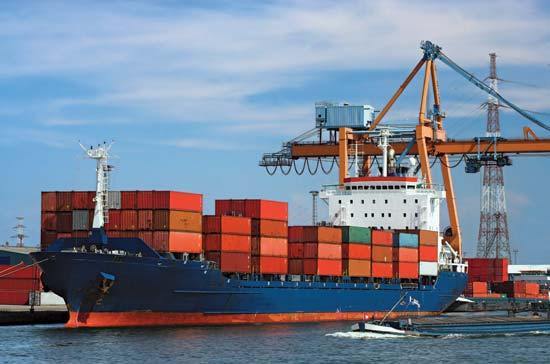
The escalating tensions in the Middle East, particularly the prolonged closure of the Strait of Hormuz following the United States-Israeli war on Iran, have put some major Nigerian businesses at risk of closure.
The Strait of Hormuz is one of the most important maritime chokepoints in the world. According to reports, around 20 per cent of global oil shipments pass through the narrow waterway between Iran and Oman. Global businesses are facing significant supply disruptions as vessels with raw materials remain stranded in the area.
Speaking to our correspondent on the development, the Chief Executive Officer of the Centre for the Promotion of Private Enterprise (CPPE), Muda Yusuf, said: “The economic implications will be very serious, will be very profound because this may cripple some manufacturers completely. “It will affect their price flows, it will affect their supply chain inflows being severely disrupted and if they are not careful, some of them will even have to fold up along the line.
“Because if your raw materials cannot come into the country as and when due, if your machines cannot come in because of this war, and you are dealing with domestic energy prices and others already in production, how would you sustain the business? “So it’s a very profound disruption to supply chains, and this could completely cripple some of the manufacturing companies.
“Many of them are actually dependent on goods importation. Any company that is heavily dependent on imports under this scenario is actually vulnerable. “Even if you don’t have all the requirements you need, your shipment would be affected.
“There are some vessels that are no longer even moving at all. “Any supply chain that is connected and related to the Middle East at this moment, just forget it, there is no way they can function. “So these are very challenging situations for Nigerian businesses, especially for manufacturers and even other businesses in the country.”
Speaking on the high insurance shipping freight, the economist said: “It is going to be inflationary because this is another dimension to imported inflation. “It is going to be inflationary because all the costs of goods that are coming in, whether it is raw materials or finished goods, all of those costs have gone up. “The other time I was reading about some freight forwarders protesting to a shipping line when they saw the massive increase in the cost of freight.
“All these things will eventually be transferred to the final consumers. “So all the benefits of low inflation that we were celebrating a few months ago, all those things may be reversed.”
Erstwhile Lagos Chamber of Commerce and Industry (LCCI) President, Babatunde Ruwase, said energy price shocks often transmit strongly through logistics and transportation costs. He said: “Businesses should therefore review their logistics operations with a view to improving efficiency and reducing fuel consumption.
“Strategies such as consolidating deliveries, optimizing transport routes, improving fleet management systems, and leveraging shared logistics platforms can significantly reduce transportation costs. “Increased adoption of digital platforms and remote transactions can also reduce the need for physical movement, thereby lowering energy expenditure within supply chains.”