The United Nations Children’s Fund (UNICEF) has called on government authorities to urgently upgrade public schools across Nigeria in order to salvage and restore the declining standard of education in the country, especially in the northern region.
UNICEF expressed concern that the deteriorating condition of public schools continues to affect the quality of learning and the future of millions of children.
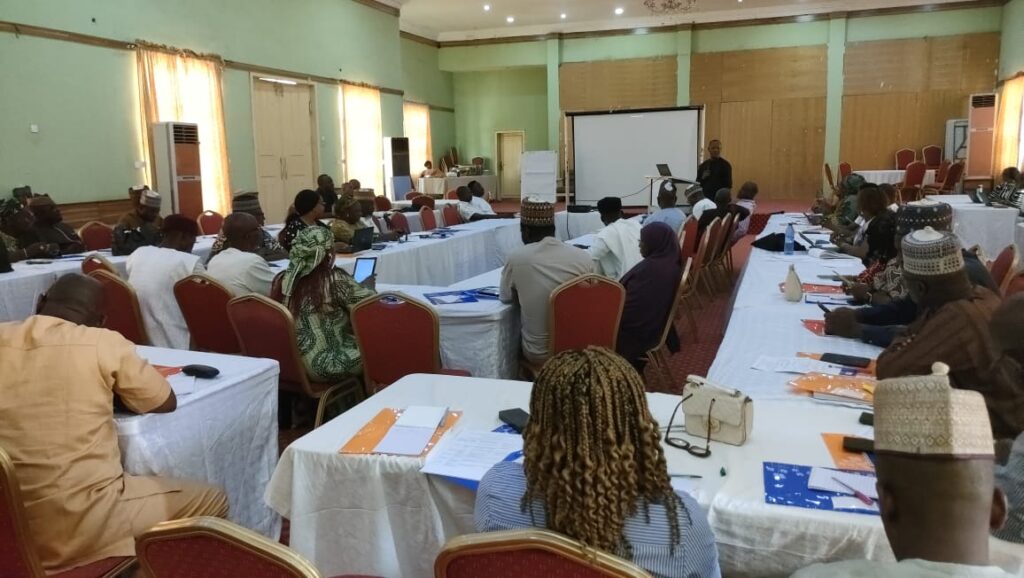
The concern was raised during a media engagement organised by UNICEF to strengthen journalists’ capacity on ethical reporting of children.
Speaking during the session, a consultant, Dr Jide Johnson, highlighted several challenges facing children in communities, including poor educational infrastructure and limited access to quality learning opportunities.
He also noted that the growing number of Internally Displaced Persons (IDP) camps across many states, particularly in Northern Nigeria, has further compounded the challenges faced by children.
Earlier in his welcome address, the Assistant Director of the Child Rights Information Bureau (CRIB), Toye Falayi, said the training was aimed at equipping journalists with the knowledge required to effectively report issues concerning children and the Child Rights Act.
Delivering a keynote address on behalf of the UNICEF Country Representative, UNICEF Communication Specialist, Susan Akila, emphasised that responsible journalism plays a vital role in protecting children and promoting their development.
She urged media professionals to ensure that their reports do not expose vulnerable children to further harm, particularly during crises.
Other presenters also spoke on why ethical reporting of children matters in Nigeria, the overview of the United Nations Convention on the Rights of the Child (UNCRC), the Nigerian domestication of the Child Rights Act (CRA 2003), and the internationalisation of child rights, as well as challenges still persisting in society.
The two-day UNICEF Regional Workshop on Ethical Reporting of Children in Gombe State attracted over 70 journalists, editors and state correspondents from the North-East and North-Central regions representing both print and electronic media organisations.