



The Federal Government has intensified collaboration with fisheries stakeholders and development partners to boost fish farming, expand trade, and create jobs for women and youth as part of efforts to strengthen food security in the country.
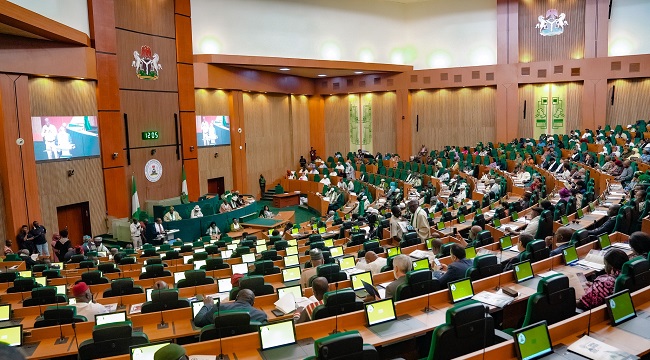
The initiative formed the focus of discussions at the Nigeria National Fisheries Stakeholders Forum held in Lagos on Wednesday, with the theme ‘Strengthening Inclusive and Sustainable Fisheries, Aquaculture and Blue Economy for Job Creation in Nigeria’.
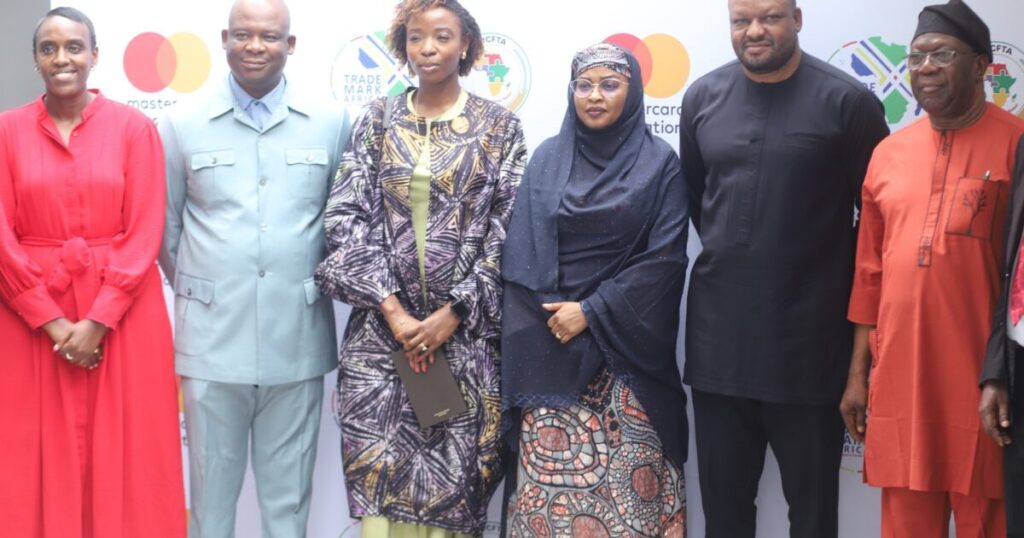
The programme forms part of the Women and Youth Economic Empowerment in the Fisheries Sector through the Inclusive Market Access Programme, a five-year initiative running from 2024 to 2029. It is led by the African Continental Free Trade Area Secretariat, in partnership with the Mastercard Foundation, WorldFish and TradeMark Africa.
Speaking at the forum, the Permanent Secretary of the Federal Ministry of Marine and Blue Economy, Fatima Mahmood, said the Federal Government was working with stakeholders to remove barriers limiting participation of women and youth in the fisheries value chain.
She noted that the engagement aimed to identify trade-related obstacles and improve opportunities in the sector. “The whole essence of this stakeholders forum is to engage with the fisheries stakeholders in Nigeria to see what the barriers to trade are and how we can simplify and enable the participation, particularly of youth and women,” Mahmood said.
She added that the fisheries sector plays a critical role in Nigeria’s food system and national development, stating, “You know that they are also part of those who supply us with the food that we eat. So, they play a very important role in national food security.”
The permanent secretary said the Federal Government fully supports the programme in line with President Bola Tinubu’s Renewed Hope agenda. “We are supporting this programme 100 per cent in line with Mr President Tinubu’s Renewed Hope agenda. Part of it is going to bring us jobs, facilitate trade, improve engagement across African countries and also bring in investments,” Mahmood remarked.
She explained that the government would work with stakeholders under the leadership of the Minister of Marine and Blue Economy, Adegboyega Oyetola, to strengthen the fisheries value chain and create employment. “Under the able leadership of our minister, we are going to work with them to make sure that jobs are created, particularly for youth and women, while developing the fisheries value chain and optimising trade between African countries,” Mahmood said.
She also noted that improving fisheries production would contribute significantly to food and nutrition security. “Fish is nutrient-dense and supports nutrition. Food without nutrition security is not okay, so this programme will enable a serious contribution from the fisheries subsector in the next four years,” Mahmood said.
Also speaking, the Director of Business Competitiveness at TradeMark Africa, Anataria Uwamariya, noted that the programme would identify challenges affecting women and youth in the fisheries sector and help improve their access to markets. “TradeMark Africa, in collaboration with the AfCFTA Secretariat, WorldFish and the Mastercard Foundation, convened this forum to engage stakeholders in Nigeria to understand specific barriers and challenges for women and youth in the fisheries value chain,” Uwamariya said.
She added that the initiative would focus on easing cross-border trade and reducing bottlenecks affecting traders, stating, “The main purpose of this programme is to enhance work opportunities for women and youth, especially young women, in the fisheries value chain while leveraging increased intra-African trade.”
Uwamariya said the programme would address challenges such as border trade processes, compliance with market standards, non-tariff barriers, and access to finance.
Also, the Head of Private Sector Unit at the AfCFTA Secretariat, Themba Khumalo, said the African Continental Free Trade Area offers vast opportunities for Nigeria’s fisheries sector to expand across African markets. “We are here to engage with stakeholders in the fisheries sector to look at areas where we can intervene to help those involved in the sector produce more and trade under the AfCFTA,” Khumalo said.
He added that Nigeria could leverage the continental market to create jobs and support livelihoods. “We believe the AfCFTA presents enough economies of scale to justify investments in the sector and allow Nigerian producers to expand their markets beyond the country,” Khumalo maintained.
Similarly, the Country Representative of WorldFish Nigeria, Dr Charles Iyangbe, said the partnership would help reverse Nigeria’s reliance on fish imports and strengthen local production.
“Where Nigeria actually depends on importation for fish, that is not a good narrative for Nigeria, so we are delighted that we are forging this level of partnership to change the current dynamics,” Iyangbe said.
He noted that the initiative would support young people across the fisheries’ value chain and create new employment opportunities. “We hope to create jobs and stimulate job creation for young women as well as youth, especially those younger than 35 years,” Iyangbe noted.
He added that the programme would also help integrate informal operators into the formal fisheries value chain through market-driven development, noting, “We are bringing all the actors together within the entire value chain to ensure that the formal and informal sectors can co-exist and grow within the fisheries landscape.”
The Inclusive Market Access Programme is being implemented across several African countries, including Nigeria, Kenya, Uganda, Tanzania, the Democratic Republic of the Congo, Zambia, Comoros and Cabo Verde, with a target of creating over 242,000 decent jobs while improving economic opportunities for women and youth.








