


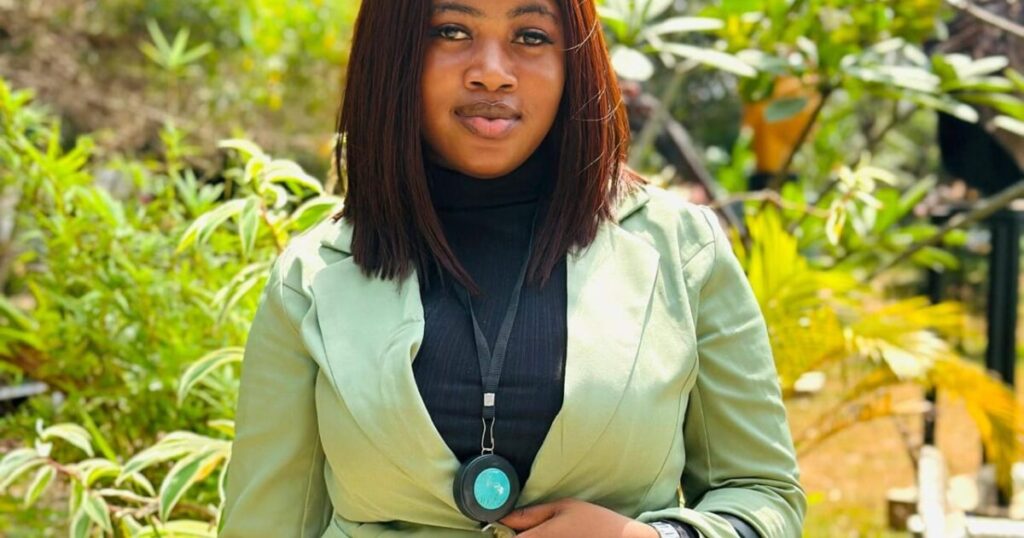
The Managing Director of Zara Eniola Limited, Zara Oladega, has said Nigeria’s fashion industry is merely surviving rather than thriving despite its enormous potential, describing the sector’s contribution to the nation’s Gross Domestic Product as disappointing when compared with global standards.
Oladega said this while reacting to the Federal Government’s disclosure that the fashion industry contributes about $6.1m to Nigeria’s GDP in an interview with The PUNCH over the weekend. She said the figure, though factual, reflects an industry operating far below capacity.
She insisted, “While the minister’s statement is factual, it is not something I would celebrate. A $6.1 million contribution is almost insignificant when you compare it with the scale of fashion globally and even within Africa. Nigeria, with over 200 million people and a vibrant youth population, should realistically be contributing 50 to 100 times more.”
According to her, countries with smaller populations, such as South Africa and Kenya, have built structured fashion value chains that drive exports and economic growth, while Nigeria continues to struggle with weak infrastructure and policy support. “We have the creativity, cultural capital and market size,” she stressed. “What we lack is an enabling environment that converts talent into real economic value.”
If we embraced made-in-Nigeria clothing, empowered young people with fashion skills and developed export systems, the industry could generate billions annually.”
Speaking from personal experience, the fashion designer with over five years of practice added that Nigerian youths possess extraordinary talent but face systemic limitations. She added that the absence of a strong textile manufacturing base continues to weaken the sector, insisting that local fabric production would create jobs across agriculture, manufacturing and fashion.
Despite the challenges, the fashion entrepreneur remains optimistic about the future of the industry, describing fashion as both culture and serious business capable of transforming livelihoods. She said, “The real missing piece is structured support.
International celebrities proudly promote their local designers, but many Nigerian celebrities overlook homegrown brands. Grants, training programmes and promotional platforms are essential if young designers are to compete globally.
“Nigerian fashion is not yet prospering; it is operating with survival energy,” she said. “But the future is extremely bright. Tailoring changed my life. It made me financially independent at a young age. My message to Nigerian youths is simple: learn a skill, learn to create. Fashion holds endless opportunities, and with the right support, Nigeria can dominate African fashion exports.”