
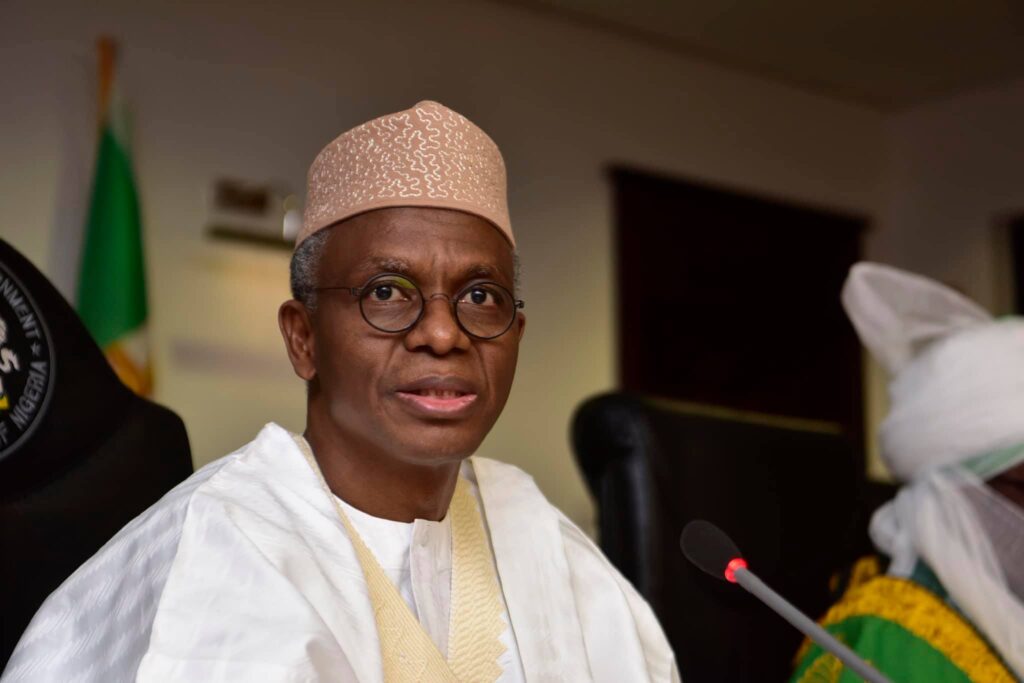
The Presidency has called for a thorough investigation and possible prosecution of former Kaduna State Governor, Nasir El-Rufai, over what it described as an open confession of illegal wire-tapping involving the National Security Adviser (NSA), Nuhu Ribadu.
The Special Adviser to the President on Information and Strategy, Mr Bayo Onanuga, made this call on Friday, February 13, in a post shared via his verified X handle.
According to Onanuga, El-Rufai’s televised remarks suggested that he and unnamed collaborators might have access to wire-tapping facilities, warning that such capabilities in private hands pose serious national security concerns.
“El-Rufai confesses to wire-tapping Nigeria’s NSA on TV. Does it mean that he and his collaborators have wiretapping facilities? This should be thoroughly investigated, and punishment meted out. El-Rufai is not too big to face the wrath of the law,” Onanuga said.
READ ALSO:
The Presidency’s reaction followed comments made by El-Rufai during an interview on Arise Television, where he alleged that the Independent Corrupt Practices and Other Related Offences Commission (ICPC) had enlisted the Department of State Services (DSS) to “abduct” him.
During the interview, El-Rufai claimed the ICPC had become “a personal tool” of the NSA, asserting that Ribadu “made the call and ordered” that he be arrested.
When asked how he knew Ribadu issued such an order, El-Rufai responded, “He made the call, because we listen to their calls. The government thinks that they’re the only ones who listen to calls, but we also have our ways. He made the call, he gave the order.”
Pressed further on whether that amounted to phone tapping, El-Rufai said: “Someone tapped his phone.”
When reminded that wire-tapping is illegal without due process, he added, “I know, but the government does it all the time… they tap our calls all the time without a court order.”
Onanuga argued that the former governor’s remarks amounted to an admission of unlawful surveillance and warranted investigation.
He maintained that, beyond the political undertone of the claims, the more pressing issue was the implication that private individuals may possess and deploy surveillance infrastructure against senior government officials.
The Presidency has not indicated whether any security agency has formally commenced an inquiry into the matter.