

The South-South often speaks but not with a single voice. Akwa Ibom, Bayelsa, Cross River, Delta, Edo, and Rivers share a history, resources, and challenges—they must act together rather than remain divided if the region is to succeed as one political voice.
Despite its vital role in Nigeria’s economy and stability, the South-South has failed to convert its collective strength into effective political influence. This isn’t a matter of lacking leaders, ideas, or electoral relevance; it’s a failure of unity. The region’s political voice must be rooted in shared priorities, not narrow self-interests. This is the core challenge the South-South faces today.
The common issues are clear and consistent across the six states: environmental degradation, poor infrastructure, youth unemployment, insecurity, and limited regional industrialisation.
Oil-producing communities in Delta, Bayelsa, and Rivers suffer pollution and economic marginalisation. Flooding and coastal erosion threaten livelihoods in Cross River and Akwa Ibom. Edo battles youth migration fuelled by unemployment and instability. These problems demand coordinated regional solutions—yet, they remain unaddressed because the region operates as six separate entities.
Politically, the South-South is fragmented, competing along party lines and driven by personal ambition. This division weakens its bargaining power and hampers progress. No single region can command national influence while divided.
Fragmentation comes at a high cost.
Political disunity has severely hampered the South-South’s leverage within Nigeria’s federal system. While other regions pursue common goals, the South-South reacts rather than acts strategically.
Opportunities for infrastructure development, environmental cleanup, and economic collaboration are missed—not because resources don’t exist, but because of a lack of collective action.
Voter trust declines as political realignments appear superficial and transactional, breeding cynicism among citizens. Youth see participation as futile, and internal democracy suffers, deepening distrust.
Achieving Unity Beyond Party Lines is possible. A united South-South doesn’t mean a monolithic party or ideology. It demands precise coordination, purpose, and unwavering commitment to shared regional interests.
Leaders must agree on fundamental issues: environmental justice, resource management, infrastructure, youth development, and economic diversification. These issues transcend party politics and election cycles.
When leaders align around these priorities, the South-South will speak with authority and influence, earning the respect it deserves. Unity is not the absence of competition; it is structured collaboration.
The Necessity of Political Differentiation
Fragmentation persists because political platforms often lack meaningful differences. Many parties differ only in name, not in governance culture. Internal democracy is weak, candidate selection is opaque, and grassroots participation is limited.
To reclaim relevance, parties must offer fundamental political differences—demonstrated in how leaders emerge, decisions are made, and citizens participate.
Regional interests must be defended collectively, not traded individually. Political credibility now hinges on structure, accountability, and internal democracy. Nigerians scrutinise not just promises but how politics is practised.
The Role of Bridge-Builders is a must.
The moment requires leaders capable of crossing party lines, state borders, and social divides without compromising principles. The South-South needs organisers, coordinators, and institution-builders—not more political combatants.
Bridge-building signals strategic maturity and strength. The future depends on leaders willing to prioritise regional cohesion over short-term gains.
This includes youth leaders, women leaders, professionals, traditional institutions, and civil society—engaging politics as partners, not spectators.
A Defining Opportunity for the region needs to be embraced, as Nigeria heads into another electoral cycle, the South-South faces a clear choice. It must either continue with disjointed politics that weaken influence or unify behind a shared struggle and ambition.
Unity is not accidental; it requires deliberate effort, organisation, and genuine democracy. The South-South has the numbers, resources, and relevance. What it needs now is coordination and courage.
Six states. One struggle. An opportunity to redefine Nigeria’s political landscape—not as divided actors seeking favours but as a united region shaping Nigeria’s future.
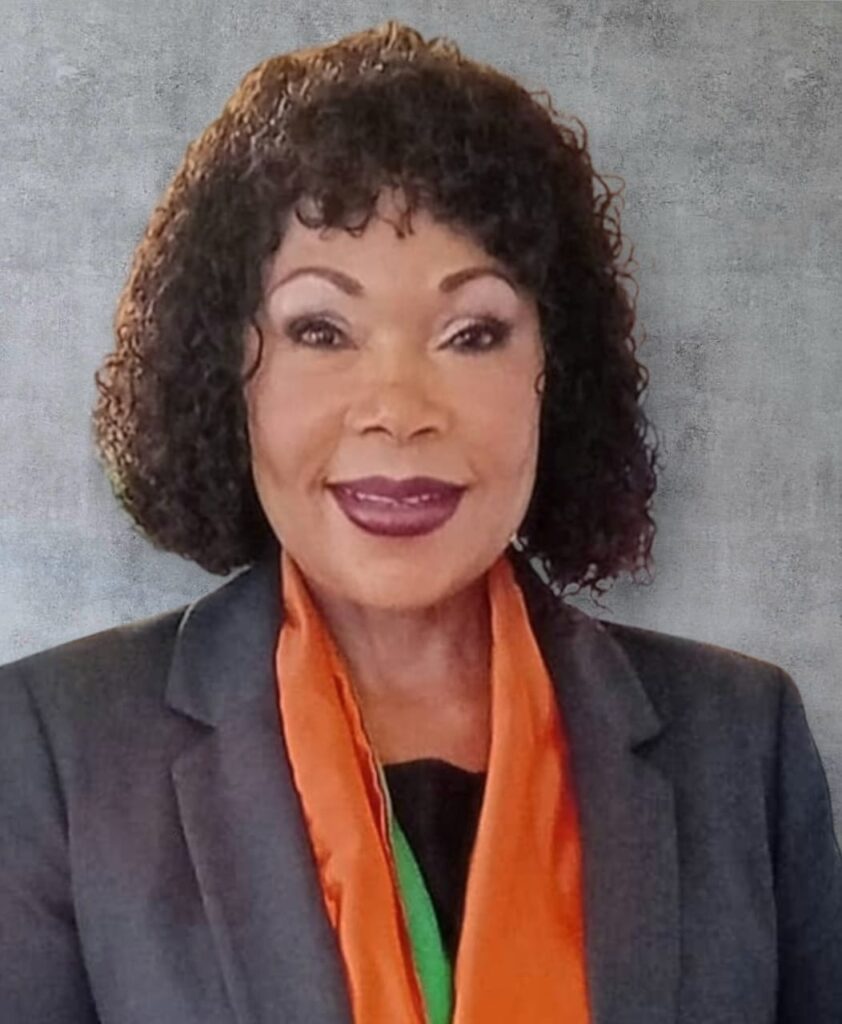
Mabel Oboh is the ADC South-South Zonal Publicity Secretary. She writes on politics, governance, and regional development.