


Eight Nigerian manufacturing firms spent a combined N1.01tn on energy and raw materials in the nine months ended September 30, 2025, up 21.1 per cent from N828.6bn in the corresponding period of 2024, according to an analysis by The PUNCH of their unaudited financial statements.
The figures were calculated from the cost of sales disclosures in the companies’ financial reports, aggregating energy and consumables costs across major manufacturers in the cement, food processing, breweries, glass, healthcare, and agribusiness sectors.
Energy costs alone rose to N195.36bn, an 18.7 per cent increase from N170.51bn a year earlier, while raw materials and other consumables climbed to N811.51bn, up 21.7 per cent from N658.11bn in 2024.
According to Starling Bank, the cost of sales, also known as cost of goods sold, refers to the direct expenses incurred in producing goods or services sold by a company.
Among the firms, BUA Cement Plc reported energy costs of N113.42bn, an 11.8 per cent rise from N101.45bn in 2024. Consumables rose more sharply to N4.44bn from N3.49bn, a 27 per cent increase, indicating that while production volumes expanded, input costs remained elevated.
BUA Foods spent N46.45bn on energy, up 25.3 per cent from N37.06 bn in the same period of 2024. The company did not disclose consumables separately, but the sharp energy cost increase reflects continued pressure from fuel and power expenses.
International Breweries recorded N260.17bn in materials consumed and allocated overheads for the nine-month period, compared with N210.56bn in 2024, a 23.5 per cent increase, with energy costs included in production overheads.
Nigerian Breweries reported raw materials and consumables of N486.88bn, up 19.5 per cent from N407.20bn, while energy costs were not stated separately. Analysts note that rising input costs reflect higher production volumes and persistent cost inflation.
Beta Glass Plc saw material consumption rise 21.8 per cent to N28.01bn from N23bn, while energy costs covering fuel, gas, and electricity increased to N24.52bn from N22.81bn, a 7.5 per cent rise, showing limited relief despite local fuel availability.
Presco Plc recorded raw materials of N25.03bn in 2025, compared with N9bn in 2024, representing a 178.1 per cent increase. Energy costs were not disclosed separately, highlighting steep cost pressures in the agribusiness sector.
UAC reported electricity and power expenses of N4.87bn, up 22.9 per cent from N3.96bn, with additional pressure from vehicle repairs, maintenance, and fueling.
Fidson Healthcare recorded energy costs of N3.99bn, up 30.8 per cent from N3.05bn, reflecting rising energy intensity in pharmaceutical production.
Champion Breweries saw raw materials and consumables increase 43.5 per cent to N6.98bn from N4.86bn, but energy and water costs fell slightly to N2.11bn from N2.18bn, a 3.3 per cent decrease, making it one of the few firms to record marginal relief.
Commenting on the trend, Segun Kuti-George, National Vice President of the National Association of Small-Scale Industrialists, said energy costs remain high despite recent interventions.
“It is true that energy costs are still high, even with the introduction of Band A tariffs, and the cost of other energy sources remains elevated,” Kuti-George said. “However, from my own point of view, if there had been no intervention at all, the situation would have been far worse.”
He explained that recent policy measures have helped prevent sharper fuel price escalations, particularly during traditionally volatile periods.
“Without these interventions, we could have been buying fuel at as high as N1,500 per litre. Even in December, when fuel scarcity and price hikes are common, the situation was relatively stable,” he said.
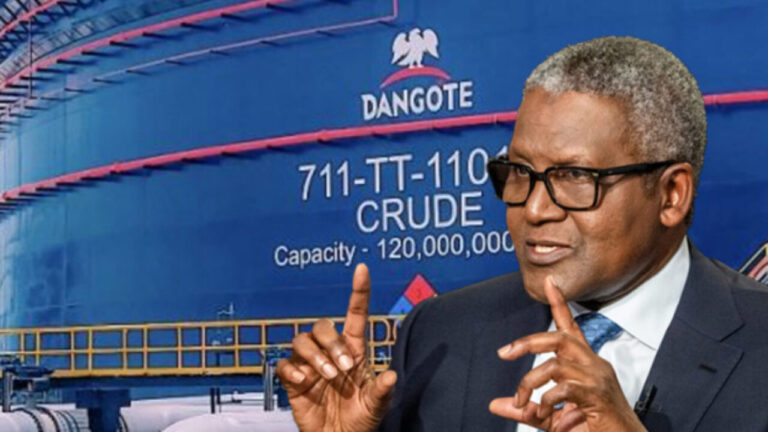
Kuti-George added that long-term price stability requires expanding local refining capacity. “Refineries need to come on stream to support what Dangote is already doing. That is the only way we can achieve long-term price stability,” he noted.
While acknowledging progress in fuel supply, he stressed that electricity remains the most critical challenge for manufacturers.
“Much of the problem lies in electricity. There is an actual shortage of power and serious inefficiencies in distribution. We need to increase electricity generation capacity and significantly improve distribution efficiency,” Kuti-George said.
He expressed cautious optimism about current economic stability but warned that structural reforms in the power sector are essential.
“I hope we can continue to enjoy the stability we currently have in the country, but these energy and power challenges must be addressed if manufacturers are to remain competitive,” he added.