



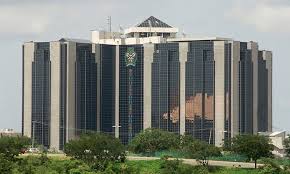
Three bank mergers are anticipated early this year as lenders scramble to comply with the Central Bank of Nigeria’s new minimum capital requirements before the 31 March 2026 recapitalisation deadline.
This projection was made by the rating firm, DataPro, in its 2026 Banking Sector Prospects in Nigeria, as it also highlighted some of the threats to the sector.
By the end of 2025, most tier-1 institutions had already met the new capital threshold, and more have announced that they have met the target MCR in this New Year, leaving smaller banks under mounting regulatory and market pressure to shore up their balance sheets.
Analysing the banking sector prospects for 2026, DataPro’s in-house expert and analyst on Enterprise Risk Management, Idris Shittu, posited, “By the end of 2025, major banks will have successfully met the minimum capital threshold required by the Central Bank of Nigeria. Meanwhile, Tier-2 banks are under increasing pressure to comply, with three significant mergers expected by early 2026 as institutions scramble to meet the 31 March recapitalisation deadline.
“This regulatory push has spurred an active M&A environment, but it brings with it considerable risks. Post-merger integration challenges, including IT system harmonisation, cultural alignment, and the migration of Non-Performing Loans, could strain newly merged entities, especially among smaller banks. The looming deadline has also sparked ‘War Room’ discussions focused on deal execution and risk mitigation.”
Shittu maintained that the sector will be facing triple threats in the New Year, which demand agility and operational resilience from banks across the country. These threats include regulatory tightening, as a high Cash Reserve Ratio continues to restrict liquidity. Capital pressure as the recapitalisation deadline drives consolidation but also heightens risks around merger execution and integration and technological disruption from rapid fintech innovation, which would demand urgent modernisation and digital transformation from traditional banks to stay competitive.
The ERM expert anticipates that banks would continue to prioritise fee-based income streams over traditional lending activities to deal with the 45 per cent Cash Reserve Ratio for commercial banks. This CRR effectively sterilises nearly half of the naira deposits and severely limits liquidity.
On the disruption brought on by the agile fintechs, Shittu said, “Technology continues to reshape Nigeria’s banking sector, with fintech innovators like Moniepoint and Opay aggressively capturing market share, particularly among SMEs and retail customers. In response, 2026 is poised to become the year Nigerian banks evolve beyond traditional banking to compete as lifestyle ‘super-apps’.
“These super-apps aim to integrate services such as flight bookings, food delivery, and other daily conveniences directly into banking platforms to enhance customer retention and engagement. However, traditional banks face an agility challenge due to slow IT procurement cycles and legacy core systems, risking a continued exodus of younger users to nimbler fintech rivals. To keep pace, banks are expected to innovate rapidly, either through strategic fintech acquisitions or by spinning off autonomous digital subsidiaries capable of operating with fintech speed and flexibility.”
On the outlook for the sector in 2026, Shittu projects a decline in the number of banks in the country, saying, “By the end of 2026, the Nigerian banking industry is expected to consolidate significantly, shrinking in number. While this consolidation promises a more resilient banking system capable of underwriting larger transactions and supporting Nigeria’s ambition toward a $1tn economy, integration risks loom large.
“Past consolidation efforts, such as those in 2005, highlight the potential pitfalls of IT system failures and cultural clashes. Particularly challenging is the merger of conservative Tier-1 banks with aggressive Tier-2 acquirers, which could cause decision-making gridlock and operational disruptions.”
The expert warned that success in the consolidation phase will depend heavily on effective due diligence around asset quality and cultural fit, as well as robust post-merger integration planning.
PwC, which listed the finance sector as one of the sectors to drive growth in 2026 in its Nigeria Economic Outlook – January 2026, holds a more optimistic view of the sector.
PwC said, “Regulatory initiatives such as bank recapitalisation mandates and evolving frameworks for fintech and digital financial services are further drawing institutional interest, while secondary listings by major banks on international exchanges demonstrate growing cross-border investor engagement and confidence.
“In 2026, strong demand for modern financial products, credit expansion, and advanced risk management solutions, combined with projected capital market growth to N262tn, driven by anticipated listings of Dangote Refinery and NNPC, will deepen liquidity, attract new investors, and sustain interest across banking, fintech, and insurance.”
On the tech front, PwC added, “In 2025, banks and fintechs accelerated AI and blockchain adoption to personalise services, automate risk management, and enhance fraud detection, while major lenders deployed AI chatbots and advanced analytics to streamline operations. The insurance sector embraced insurtech, with the National Insurance Commission and fintechs collaborating on digital platforms to boost product innovation and access.
“This momentum is expected to continue in 2026, fuelled by strong investment flows, growing developer talent, and expansion in embedded finance.”