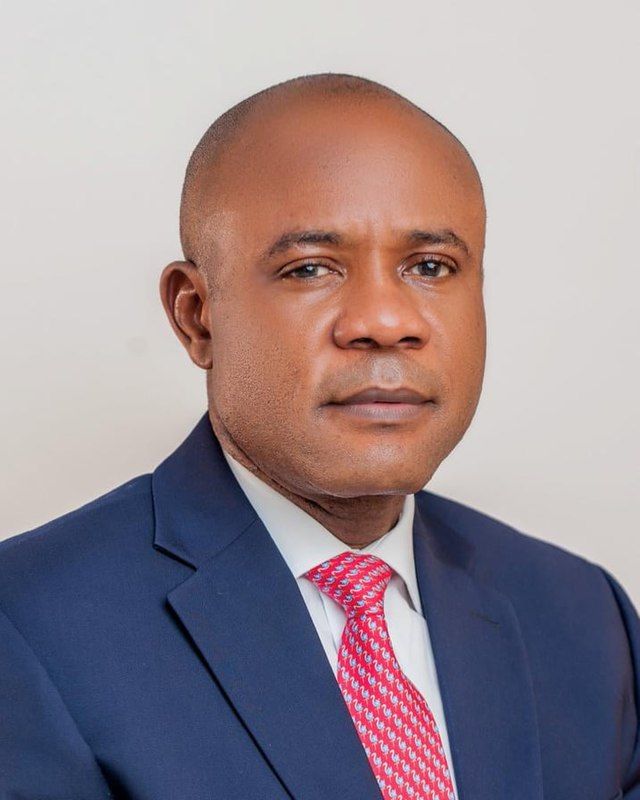

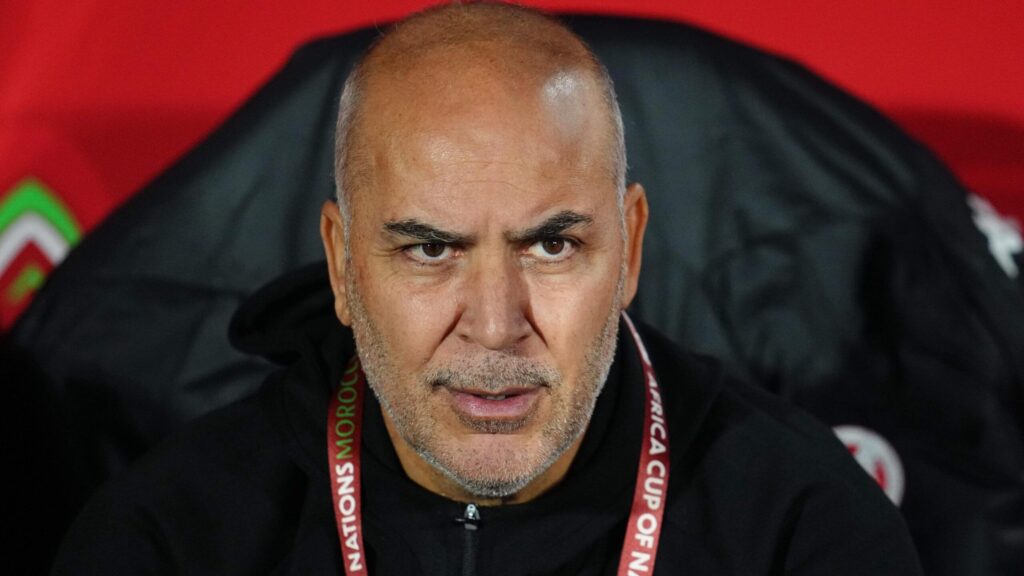
Tunisia have parted ways with their head coach, Sami Trabelsi, following the national team’s early elimination from the 2025 Africa Cup of Nations (AFCON), bringing an abrupt end to a campaign that fell short of expectations.
The Tunisian Football Federation (FTF) confirmed the decision on Sunday, less than a day after the Carthage Eagles were knocked out of the tournament by Mali in the Round of 16.
The encounter was closely fought, finishing 1–1 after extra time before Mali prevailed in a tense penalty shootout.
In an official statement, the federation announced that Trabelsi and his entire technical crew had been relieved of their duties by mutual agreement.
The decision, according to the FTF, was taken after the team failed to advance deeper into the competition.
READ ALSO:
Tunisia’s campaign in Morocco had promised much at the outset. The North Africans began with a convincing 3–1 win over Uganda, a result that raised hopes of a strong run in the tournament. However, cracks soon began to show.
A narrow 3–2 loss to Nigeria highlighted defensive weaknesses, while a disappointing 1–1 draw against Tanzania in their final group game left supporters and analysts questioning the team’s consistency and tactical balance.
Those issues became even more evident in the knockout stage against Mali. Tunisia took the lead and appeared to be in control, especially after Mali were reduced to ten men early in the match.
Despite the numerical advantage, the Carthage Eagles failed to assert themselves, allowing their opponents to equalise and push the game into extra time before ultimately winning on penalties.
The Round of 16 exit proved costly for Trabelsi, whose side struggled to deliver sustained performances throughout the tournament.
The result has further deepened frustration among fans, many of whom had hoped Tunisia would mount a serious challenge for the title.
The latest setback adds to the growing sense of decline for a nation that once dominated African football, winning the AFCON trophy on home soil in 2004.
With more than 20 years having passed since that triumph, the Tunisian federation now faces renewed pressure to chart a clear path forward as it searches for a new coach to lead the next phase of rebuilding.