


The analysts at Coronation Asset Management have projected increased capital market activities as banks push to meet the March 2026 recapitalisation deadline set by the Central Bank of Nigeria.
This was disclosed in its Year in Review and 2026 Outlook published on Tuesday.
According to the CBN, 16 banks have met the new capital thresholds, with the others expected to do the same in the weeks leading up to the expiration of the deadline.
Commenting on the process and its impact on the sector in the outgone year, the report read, “The defining theme has been the industry-wide recapitalisation drive, spurring a series of capital market activities as banks race to meet the March 2026 deadline. The exit from the CBN’s forbearance scheme has also had a significant effect in the second half of the year. While investor sentiment has been mixed, leading to sector underperformance relative to the broader market, the outlook is anchored by this strengthening of capital bases and an expected normalisation of earnings towards core banking activities in 2026.”
“Most Tier-1 and some Tier-2 banks, including GTCO, Zenith, UBA, Stanbic IBTC, Jaiz, and Access Holdings, have completed their capital-raising programmes through rights issues, public offers, and private placements. While others like FCMB, FBN Holdings, Fidelity, and Sterling have CBN approval for multiple offers already in place or in the pipeline.
With about three months to go, we expect to see more capital market activities and final calls on capital raise programmes.”
On the profitability front, the analysts affirmed that the Nigerian banking sector remained broadly resilient through 2025, supported by strong balance sheet expansion and solid liquidity, but headline profitability softened.
“High funding costs, rising impairments, and regulatory changes, including forbearance withdrawal, the windfall tax on foreign exchange gains, and the ongoing recapitalisation drive, have impacted the sector. Profitability has risen more softly compared to last year’s record earnings, with industry pre-tax profit rising by 5.2 per cent year-on-year. This smaller growth is due to a combination of higher loan-loss provisions, higher operating costs amid persistent inflationary pressures and elevated interest rates.”
It added, “Manufacturing and trade-related exposures have accounted for a notable share of the increase in impairments, as import-dependent borrowers contend with tighter FX access and elevated input costs. Meanwhile, the oil and gas upstream segment has shown relative resilience, supported by improved crude prices and stronger cash flows so far in the year. In contrast, downstream and power sector loans have seen lower recovery due to rising receivables and delayed tariff adjustments.”
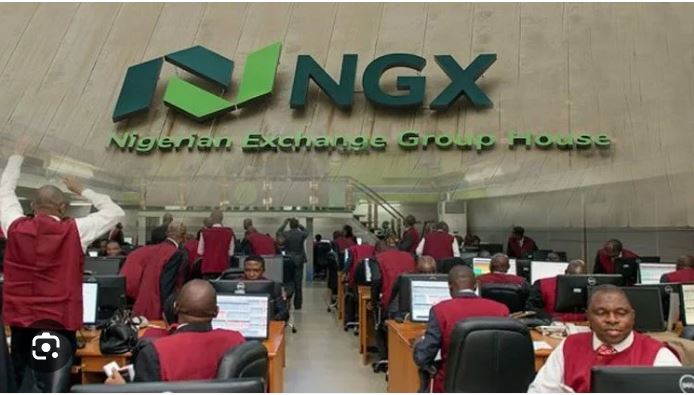
At the capital market, the NGX Banking Index advanced by over 30 per cent year-to-date, but it underperformed the broader NGX All-Share Index, which is up over 50 per cent.
The experts adjudged the sector’s performance to be mixed, reflecting divergent investor sentiment across Tier-1 and mid-tier banks.
“Among the large caps, Zenith Bank (+39.6 per cent ytd), Guaranty Trust Holding Co (+55.1 per cent ytd), Ecobank Transnational Inc (+30.4 per cent ytd), and United Bank for Africa (+17.1 per cent ytd) posted solid gains, supported by strong earnings fundamentals, robust capital positions, and dividend declarations.
“Mid-tier names showed stronger momentum, with Wema Bank (+104.4 per cent ytd), Stanbic IBTC (+82.3 per cent ytd), and Sterling Financial Holdings (+31.3 per cent ytd) recording substantial year-to-date gains, driven by improved profitability and investor rotation into value plays. In contrast, Access Holdings (-12.8 per cent ytd) lagged due to a delay in H1 earnings result publication and uncertainty around dividend payments,” said the firm.
On the outlook for the New Year, Coronation Asset Management said it is anticipating policy rate cuts, which should stimulate lending activity, “while disciplined credit management, improved asset yields, and growth in fee-based income are expected to underpin a gradual recovery in interest income and overall sector performance. We believe the sector is well-positioned to become a major driver of growth in 2026 as macroeconomic stability gradually returns. Improving inflation dynamics, better FX liquidity, and a less volatile interest-rate environment should ease pressure on funding costs and risk assets.
“While declining yields may temper margins, stronger core earnings, expanding loan books, and improved capital flexibility are expected to support profitability and balance sheet growth. With regulatory cleanup largely behind the sector and capital buffers strengthening, banks are better placed to scale lending, support investment activity, and deliver more durable value creation over the medium term.”