

The Christian Association of Nigeria (CAN) has called on political leaders at all levels to embrace responsible leadership, compassion, and moral integrity in 2026, warning that economic reforms and policy pronouncements mean little if they do not translate into improved living conditions for ordinary Nigerians.
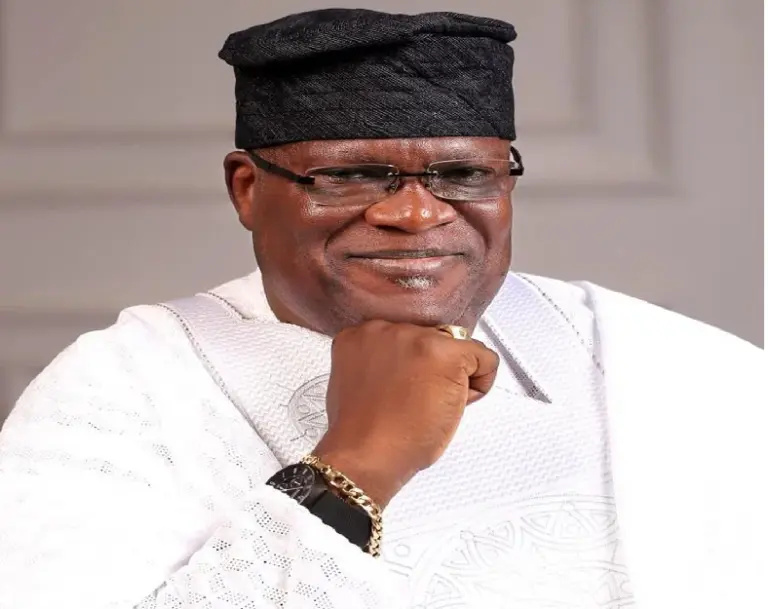
In a New Year message titled “A Call to Renewal, Restoration, and Responsible Leadership in 2026”, CAN President, Archbishop Daniel Okoh, said the quiet endurance of Nigerians amid worsening hardship should not be mistaken for progress, stressing that the nation remains in dire need of healing, justice, and tangible relief.
He said: “As we enter the year 2026, we acknowledge God’s mercy in preserving lives and sustaining our nation through another year marked by serious trials.”
Okoh noted that the past year brought “economic hardship, rising living costs, insecurity, and deep uncertainty” that placed “enormous strain on families and communities.”
He cautioned that development must be measured by its impact on daily life, insisting that reforms without visible relief for citizens remain incomplete.
“Economic advancement must be evident in the daily lives of citizens, when food is affordable, healthcare is accessible, education is attainable, and meaningful work is available. Development that does not touch ordinary lives remains incomplete.”
Okoh also raised strong concerns over the persistence of insecurity across the country, describing terrorism, banditry, kidnapping, and violent crime as a “grave national concern” that has uprooted communities and destroyed lives.
He urged the federal government to move beyond promises and take sustained, decisive action to significantly reduce insecurity in 2026.
CAN also demanded an urgent, time-bound plan for the resettlement of communities displaced by prolonged violence, even as he lamented it was “unjust and unacceptable” for Nigerians to remain indefinitely uprooted from their ancestral homes and means of
livelihood saying, “a nation cannot claim healing while entire communities remain unsettled.”
The CAN President added that beyond temporary relief measures, the government must guarantee security, rebuild homes and infrastructure, and enable displaced persons to return “safely and with dignity.”
On ongoing fiscal and tax reforms, CAN urged caution, warning against policies that could further burden the poor. Okoh said economic decisions must be guided by “wisdom, fairness, and restraint,” especially to protect small businesses, low-income earners, and rural communities.
The CAN president further argued that Nigeria’s crisis goes beyond economics and infrastructure to include a deep moral deficit. “Corruption, injustice, and division continue to weaken trust and erode our national conscience,” he said.
He called.on leaders to demonstrate integrity, accountability, and a genuine commitment to service.
Reaffirming the Church’s role, Okoh said CAN would continue to stand with the people and speak “truth with love” while sustaining hope amid hardship.
“Nigeria is not without a future. Justice, peace, and restoration are possible when leadership is responsible, and citizens remain committed to righteousness and unity.”