


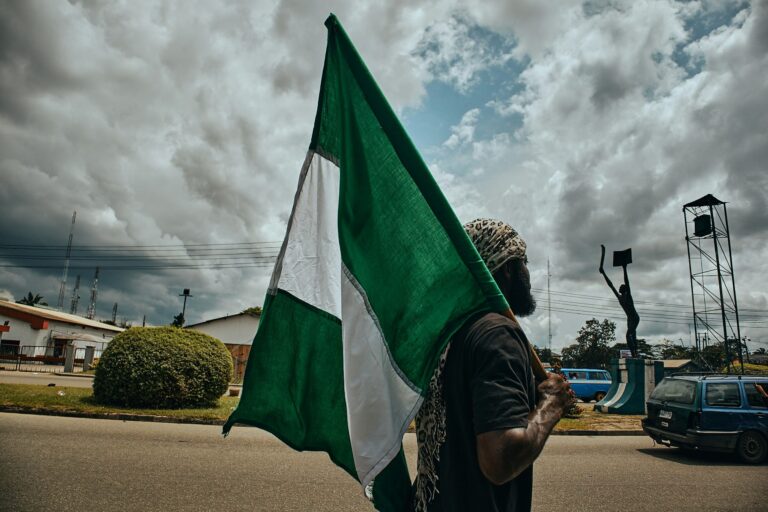
The Federal Government has officially designated kidnappers and violent armed groups as terrorists, marking a major escalation in Nigeria’s response to abductions, attacks on farmers, and community violence. This is even as government also said with the successful rescue of the abducted Niger schoolchildren, no Nigerian child will suffer the same fate again.
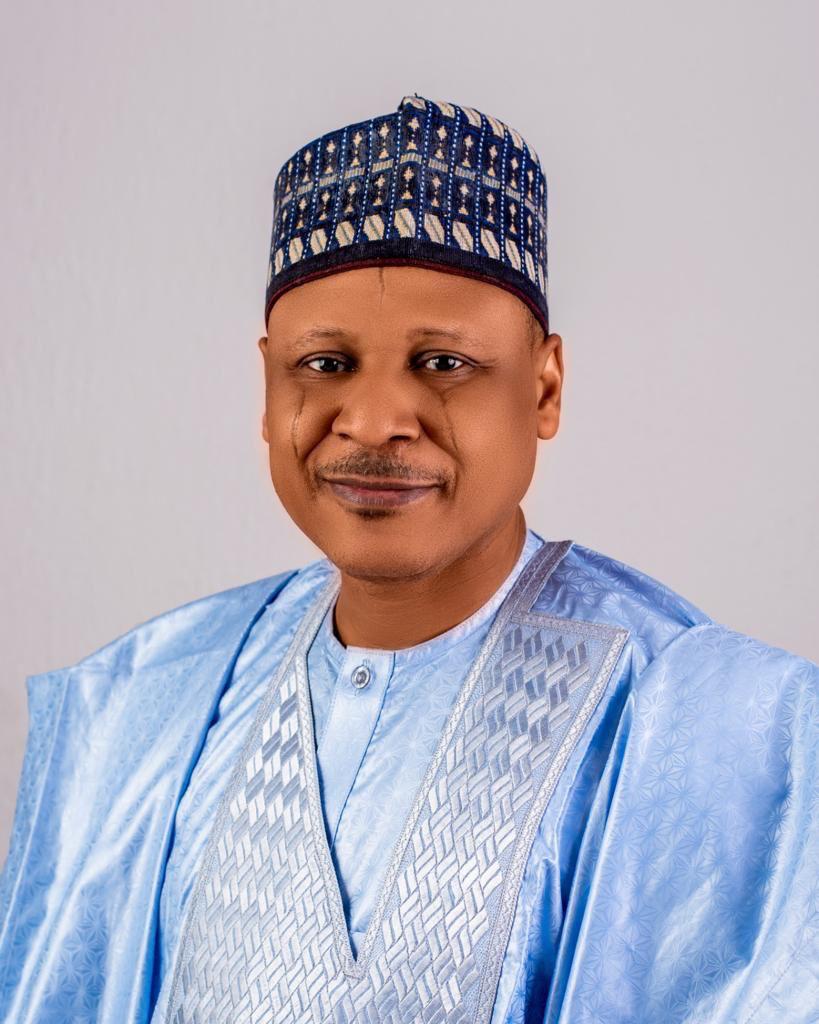
Minister of Information and National Orientation, Alhaji Mohammed Idris, at an end of year press conference in Abuja yesterday, also announced a fiveyear, $5.1 billion bilateral health cooperation Memorandum of Understanding (MoU) with the government of the United States last week.
Under this agreement, the minister disclosed, the American government will provide $2.1 billion in grant funding, while Nigeria will commit $3 billion. “This has been described as the largest co-investment by any country to date under the America First Global Health Strategy.
“It will strengthen Nigeria’s healthcare system, save lives, and attract investment,” he stated. The minister, who regretted the kidnap of the 303 Niger schoolchildren, restated President Bola Tinubu’s declaration that any organisation or group that engages in any criminal activity will be branded a terrorist group.
“Let me be clear about what this means: That henceforth, any armed group that kidnaps our children, attacks our farmers, or terrorises our communities is officially classified and will be dealt with as a terrorist organisation.
The era of ambiguous nomenclature is over!” he declared. Idris recalled that this year, President Tinubu declared a nationwide security emergency, which will lead to massive recruitment people into the armed forces and the police force, as well as deployment of trained and equipped Forest Guards to secure the nation’s forests and other vulnerable locations.
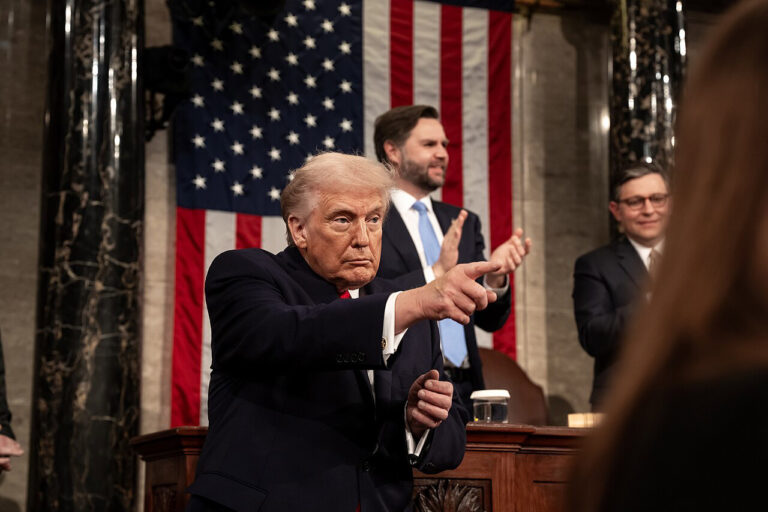
“We have also established, in 2025, a new national counterterrorism doctrine—anchored on four critical pillars: unified command, intelligence, community stability and counterinsurgency,” the minister disclosed. He added that contrary to the insinuations that the American government has turned its back on Nigeria, the $5.1 billion health agreement is an indication that the US is collaborating with Nigeria.
“The recent diplomatic spat with the United States has been resolved through firm, respectful engagement, culminating in a strengthened partnership. “Indeed, Nigeria is no longer on the side-lines; we are a confident and strategic partner on the global stage, defending our national interests and attracting beneficial partnerships,” he pointed out. The minister used the opportunity to present the administration’s score card for the outgoing year.
According to him, Nigeria regained her Category C seat on the International Maritime Organisation (IMO) Council for the 2026–2027 biennium, after 14 years of absence. “Also in 2025, various Nigerians assumed significant international positions across various sectors, including Chairperson of the Council of the World Customs Organisation, Executive Director of the World Health Organisation’s Health Emergencies Programme, Vice Chair of the International Telecommunication Union (ITU) Council, and Vice President of the International Association for Ports and Harbours in Tokyo.
“Additionally, this year we secured hosting rights for the Creative Africa Nexus (CANEX) 2026, and the Intra-African Trade Fair (IATF) 2027, one of the largest trade gatherings on the African continent,” the minister stated. He said the nation’s Gross Domestic Product (GDP) grew by 3.98% in the third quarter of 2025, which he added, is a demonstration of resilient and sustained expansion in the nonoil sector.
“Our external reserves have strengthened to approximately $44.56 billion, providing a robust buffer that stabilises our currency and assures international investors. “Nigeria recorded a trade surplus of N6.69 trillion in the third quarter of 2025, a 27.29 per cent growth year-on-year,” he said.









