

Nigeria’s 2025 fiscal outlook has come under renewed scrutiny as fresh data indicate a wide gap between projected and actual government revenue, raising concerns over budget credibility, stalled projects, and weak fiscal accountability.
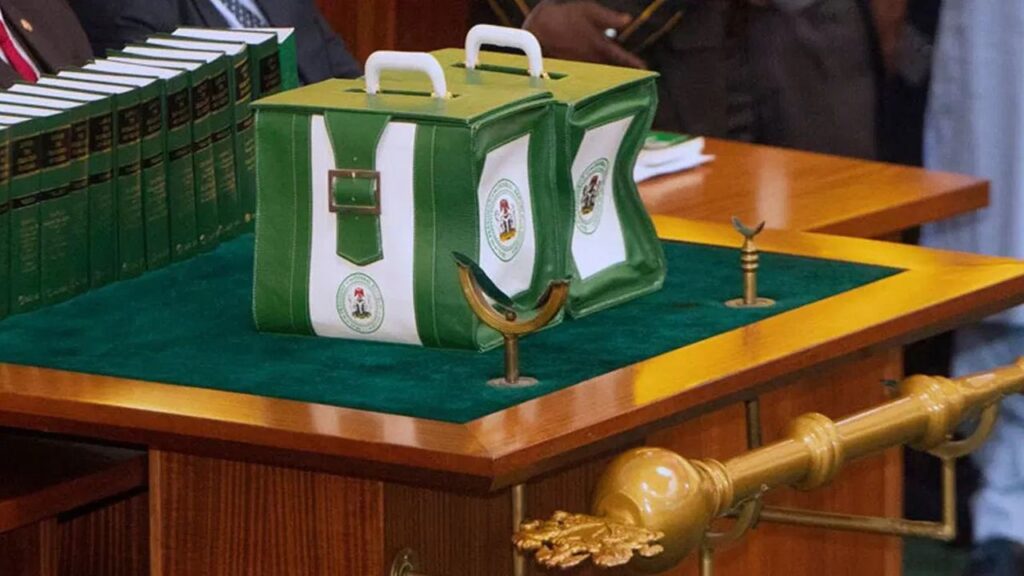
The Federal Government had projected revenue of N40.8 trillion to fund the N54.9 trillion 2025 Appropriation Act, tagged the “Budget of Restoration.”
However, current estimates suggest that actual revenue inflows for the year may close at just about N10.7 trillion, representing a sharp shortfall from initial expectations.
The figures, highlighted by civic advocacy group, BudgIT, through its BudgetNG platform, underscore growing concerns about the realism of Nigeria’s fiscal projections and the sustainability of public spending plans.
Analysts note that the magnitude of the revenue gap casts doubt on the government’s ability to fully implement the 2025 budget, particularly its capital expenditure components.
Despite the significant revenue underperformance, there has been no official 2025 budget implementation report released so far, leaving gaps in transparency around how funds have been utilized and which aspects of the budget are being prioritized.
The absence of such reports has fueled concerns about accountability in public finance management. BudgetNG noted that the revenue shortfall helps explain why many government contractors remain unpaid and why several capital projects across the country have either stalled or remained incomplete.
With limited cash inflows, ministries, departments, and agencies are reportedly struggling to meet obligations tied to infrastructure development and social programmes. Fiscal experts warn that the situation points to a broader budget credibility crisis, where spending plans are disconnected from realistic revenue assumptions.
They argue that when budgets are based on overly optimistic projections, the consequences are ultimately borne by citizens through delayed projects, reduced public services, and rising public debt.
BudgIT called on the Federal Government to strengthen fiscal discipline by aligning capital budgets with realistic revenue forecasts and improving planning frameworks. The organization also urged authorities to priorities timely publication of budget implementation reports to enhance transparency and rebuild public trust.