
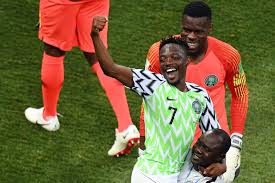
Ahmed Musa has announced his retirement from international football, bringing to a close a remarkable 15-year career with the Super Eagles, during which he became one of Nigeria’s most celebrated players.
Ahmed Musa, Nigeria’s most capped international footballer, has officially retired from the Super Eagles, ending an illustrious career that spanned nearly 15 years.
The Super Eagles captain shared an emotional message on X (formerly Twitter), thanking Nigerians for their unwavering support throughout his career.
“After a lot of thought, I have decided to retire from international football, bringing to an end almost 15 years with the Super Eagles,” Musa wrote.
From Young Prospect To National Icon
Musa reflected on his humble beginnings, remembering how his national team journey started with simultaneous call-ups to the U-20, U-23, and senior Super Eagles squads.
READ ALSO:


“I was just a young boy when the journey started. I was young, still learning, and always travelling, but I never complained. Whenever Nigeria called, I showed up,” he said.
Over the span of his career, Musa amassed 111 international appearances, cementing his status as the most capped player in Nigerian football history, an achievement he described as a “great honour.”
Among his most treasured milestones were Nigeria’s victorious 2013 Africa Cup of Nations campaign and his memorable goals on the FIFA World Cup stage.
“Winning the 2013 AFCON will always stand out,” Musa noted.
He continued, “Scoring at the World Cup, against Argentina and Iceland, are memories I will always carry with me.”
Musa found the net four times at the FIFA World Cup, establishing himself as Nigeria’s all-time leading goalscorer in the tournament.
Beyond his goals and appearances, his spell as Super Eagles captain stood out as a defining chapter of his career, one he spoke about with honesty and deep appreciation for the responsibility that came with wearing the armband.









