

…Over 100 Youths Trained Free
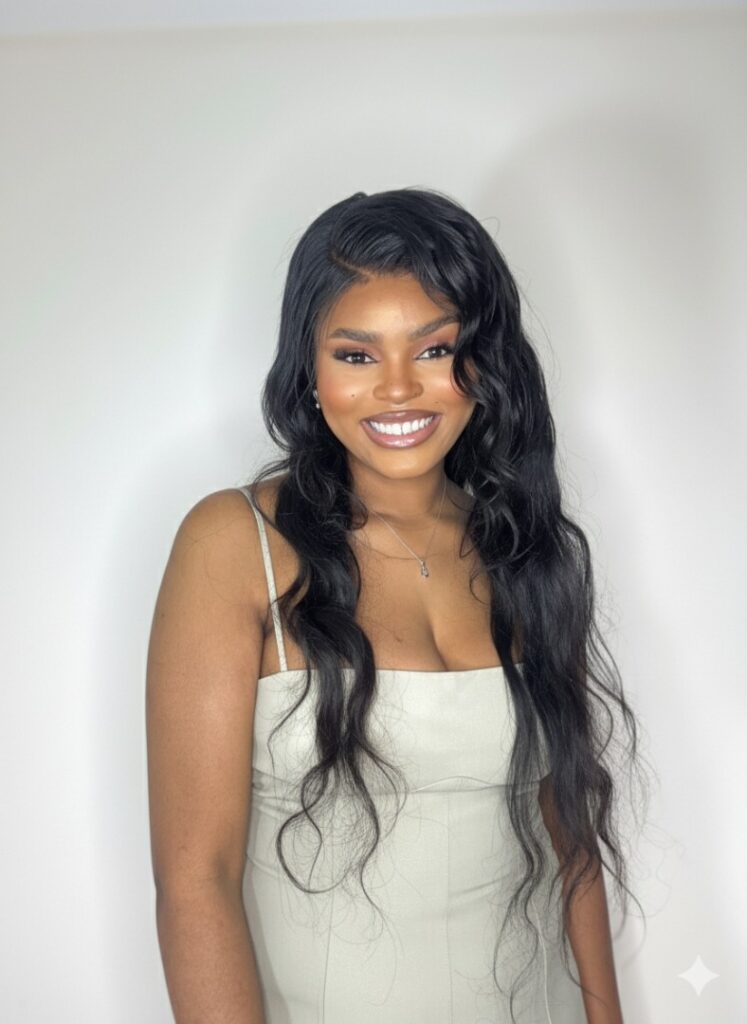
In a powerful demonstration that style can drive meaningful social change, Worgu Victory Izeoma—the visionary founder of Zeera Culture ( is redefining African fashion as a tool for poverty alleviation, youth empowerment, and climate advocacy.
Through her non-profit initiative, the Zeerafashion Foundation, she has already provided free fashion and dressmaking training to over 100 young people, equipping them with sustainable, income-generating skills for life.
Renowned for her elegant designs that merge traditional Nigerian textiles such as aso-oke, adire, akwete, and ankara with modern silhouettes, Worgu Victory Izeoma sees fashion not just as creativity, but as cultural preservation and a pathway to economic independence.
“I want African fashion to be seen not as a costume, but as couture,” she says. “Our fabrics carry the wisdom of generations. They deserve to be celebrated on global runways, and the skills to work with them should be passed down.”
A Sustainable Path to Empowerment
The Zeerafashion Foundation embodies Zeera Culture’s core values of craftsmanship, cultural continuity, and sustainability. It’s a free vocational program that addresses three critical areas:
Promoting African Fashion:
By teaching the use of indigenous textiles and high-quality garment construction, the foundation empowers young creatives to champion authentic African craftsmanship.
Poverty Alleviation:
Dressmaking is a high-demand skill. By offering this training free of charge, the foundation creates immediate economic opportunities for youths to start businesses or secure employment.
Climate Advocacy and Sustainability:
The curriculum emphasises ethical fashion, waste reduction, upcycling, durable local materials, and responsible consumption—offering a counterbalance to global fast-fashion waste.
The Next Goal: Training 200 More Youths by 2026
Looking ahead, Izeoma aims to expand the program and train an additional 200 young people by 2026. This ambitious target will deepen the foundation’s impact across communities, strengthening both the fashion ecosystem and local economies.
Through her dual work as a designer and social entrepreneur, Worgu Victory Izeoma stands at the forefront of the African fashion renaissance—proving that true luxury lies in heritage, sustainability, and the empowering stories behind every stitch.
Learn More or Register for Free Training
Website: zeerafashionfoundation.online
Instagram:
Interview With Worgu Victory Izeoma
Question 1: What was the defining moment that led you to merge Zeera Culture with the Zeerafashion Foundation?
Response:
It was seeing the direct impact that a single skill could have. When I watched my first trainees begin to earn income, I realised that fashion is more than art — it is a powerful tool for economic liberation. The foundation gives us the platform to scale that impact.
Question 2: You’ve trained over 100 youths for free. What is the most important lesson you hope they take away?
Response:
Beyond the technical skills of cutting and sewing, I want them to understand sustainability. They must value quality, minimise waste, and use our local resources ethically and responsibly.
Question 3: How does climate change advocacy appear in your training curriculum?
Response:
We emphasise circular fashion — upcycling, efficient fabric cutting to reduce off-cuts, teaching how to repair and alter garments, and showcasing the durability of African textiles versus synthetic fast fashion.
Question 4: Your goal is to train 200 more young people in 2026. What challenges might you face?
Response:
The biggest challenge is funding for equipment and materials. We plan to overcome this through strategic partnerships and a global fundraising drive so the training can remain completely free.
Question 5: Why is cultural continuity essential to Zeera Culture’s mission?
Response:
Our indigenous textiles — adire, akwete, aso-oke — are visual records of our history. Promoting them protects the livelihoods of local artisans and ensures these traditions don’t disappear under mass-produced fabrics.
Question 6: What is your five-year vision for Zeera Culture on the global stage?
Response:
I want Zeera Culture to be recognised worldwide as a symbol of African couture — synonymous with authentic luxury, ethical sourcing, and world-class craftsmanship.
Question 7: How do you measure the success of your free training program?
Response:
We measure success through real-life outcomes — graduates starting their own tailoring shops, getting jobs, or taking commissions. That’s when we know we’ve created sustainable livelihoods.
Question 8: Many young people dream of fashion but fear the cost of training. What is your message to them?
Response:
Do not let cost stop you. Passion is free. Start with basic tools and keep learning. Look for free opportunities like ours. We are here to remove the financial barrier for hardworking, passionate individuals.
Question 9: You describe African fashion as ‘couture.’ What does African Couture mean to you?
Response:
African Couture is distinguished by artistic excellence, deep cultural meaning, and the purposeful use of high-quality indigenous fabrics. It is fashion crafted with intention and tradition.
Question 10: What role can the international community play in supporting your mission?
Response:
They can support by investing in our foundation’s infrastructure — machines, training centres, materials — and by buying ethically from African brands. Conscious consumption is a powerful tool for economic empowerment.