


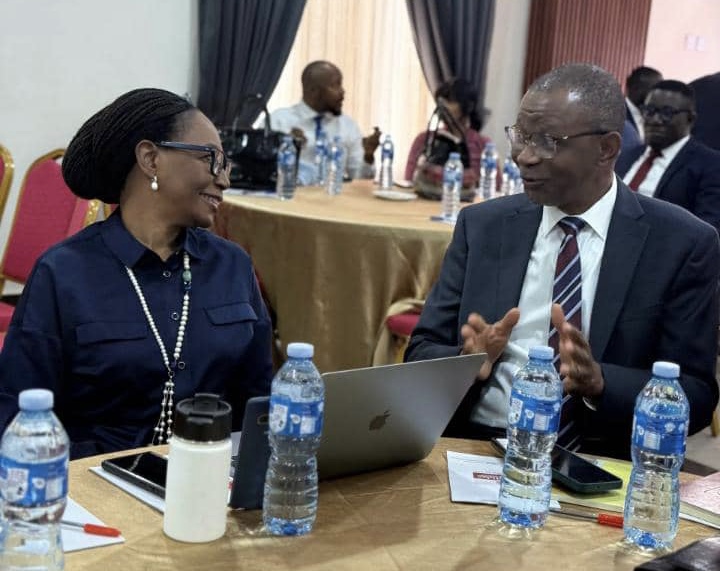
The real estate market is facing significant challenges due to high inflation and rising interest rates, which have eroded consumer purchasing power and reduced demand for residential and commercial properties. This was the assertion of stakeholders at a recent breakfast session organised by Ubosi Eleh & Co.
The Senior Partner at Ubosi Eleh & Co, Emeka Eleh, noted that the devaluation of the naira and rising costs of construction materials such as cement, steel, and labour have pushed up construction costs, making it more expensive to develop new projects.
He added that economic uncertainties and supply chain disruptions have led to project delays and cost overruns, impacting the delivery timelines of real estate developments.
“The rising operational costs, including utility bills and maintenance expenses, forced landlords to increase rental rates, further straining tenant affordability,” Eleh said. “The volatile economic climate and increased uncertainty discouraged both domestic and foreign investors from investing in the real estate sector.”
The guest speaker, Olajumoke Akinwunmi, Co-founder of Alitheia and Chairman of Purple Group, noted that the economic disruptions have forced a reckoning in the real estate sector. “Developers, investors, tenants, and professionals are all being tested, and what’s emerging is not merely a sector under pressure, but a system under reconstruction,” she said.
Akinwunmi highlighted the challenges facing the sector, including the impact of high interest rates on borrowing, the depreciation of the naira, and the increase in input costs. She noted that many Nigerians are spending as much as 70% of their income on shelter, far exceeding the 30% benchmark recommended by the UN.
“Those trying to build or buy today are facing not just barriers, they’re facing cliffs,” Akinwunmi said. “The aspiring homeowner, who spent years saving towards a modest equity contribution, suddenly finds that the same contribution is now a fraction of what’s required. Their dream resets to zero.”
Akinwunmi called for innovation, collaboration, and courage to address the challenges facing the sector. She suggested redesigning the financing architecture, embracing a granular understanding of market realities, and promoting collaboration between government, professionals, financiers, and communities.
“We need blended finance, combining concessional funds, commercial capital, and institutional support, to mitigate risk and unlock new sources of liquidity,” Akinwunmi said. “We need to rethink how we raise capital: from crowdsourced investments to diaspora bonds to public-private partnerships rooted in shared value.”
Despite the challenges, Akinwunmi believes that Nigeria’s real estate market still holds enormous potential. “If we can unlock them, we can not only survive this season but rebuild a more resilient, inclusive, and dynamic sector,” she said.
The stakeholders’ assertions highlight the need for urgent action to address the challenges facing the real estate sector. By working together and embracing innovation, collaboration, and courage, the sector can overcome the current challenges and emerge stronger and more resilient.
Key takeaways from the session include the fact that high inflation and rising interest rates have eroded consumer purchasing power and reduced demand for residential and commercial properties.
Economic uncertainties and supply chain disruptions have led to project delays and cost overruns. The real estate sector needs innovation, collaboration, and courage to address the challenges facing it.
Redesigning the financing architecture and promoting collaboration between government, professionals, financiers, and communities can help revive the sector. Despite the challenges, Nigeria’s real estate market still holds enormous potential for growth and development.








