
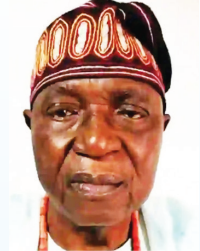

Tanko made the clarification while speaking on Frontline, a current affairs programme on Eagle 102.5 FM, where he dismissed speculations that the ADC is controlled by former Vice President Atiku Abubakar.
According to him, the ADC coalition is jointly owned by all stakeholders who contributed to its formation.
“Everybody that was in that particular coalition contributed with their hard-earned money. Nobody owns that political party. Please don’t get it wrong,” Tanko said.
He stressed that his focus remains on promoting Obi as a presidential candidate based on competence, credibility and capacity to address Nigeria’s challenges.
“I am only focusing on my candidate. I am selling my candidate to the public based on his capacity and credibility and what he has to offer Nigerians,” he said, describing Obi as a leader capable of providing what the Obedient Movement terms a “moral solution” to the nation’s leadership crisis.
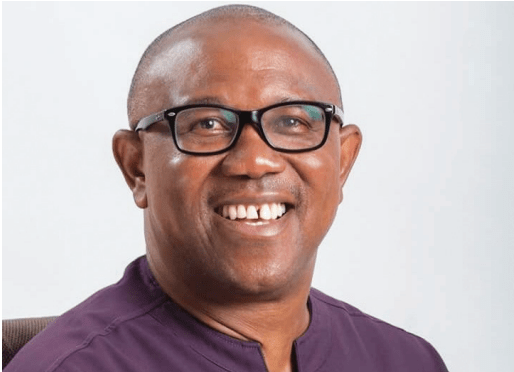
Peter Obi, the Labour Party’s presidential candidate in the 2023 election, recently aligned with the coalition-backed ADC ahead of the 2027 polls, stating that the move was aimed at transforming and rescuing Nigeria.
Outlining Obi’s policy direction, Tanko said an Obi-led administration would prioritise economic discipline, national security and massive investment in agriculture, while ensuring that fuel subsidy policies are handled sustainably.
“Somebody who is concerned about the public will not tax them beyond their reach,” he said.
On foreign policy, Tanko said Obi would engage Nigerians directly while also strengthening ties with the international community to restore the country’s global standing.
“The people of Nigeria are the ones Mr Peter Obi will interface with as a gentleman. He will also engage the international community to ensure that Nigeria gets the respect it deserves,” he said.
Tanko explained that Obi’s decision to align with the ADC followed extensive consultations and was driven by popular demand rather than personal ambition.
“The decision came from a conglomerate of diverse groups seeking to correct Nigeria’s problems and reclaim the country for its people. When they came together, the ADC was chosen as the political vehicle,” he said, adding that young Nigerians played a decisive role in shaping the process.
Responding to criticisms over Obi’s movement between political parties, particularly from the Labour Party, Tanko said internal challenges made the shift inevitable.
“Forces in power deliberately undermined the party’s functionality. If your house is being deliberately set on fire, would you remain inside it? There was a calculated attempt to destroy what was being built,” he said, noting that the ADC offers a broader platform capable of accommodating diverse political interests.
He expressed strong confidence in Obi’s chances of clinching the ADC presidential ticket, rating them “ten over ten,” and insisted that Obi’s viability is rooted in credibility and electability.
“No corruption has been found against him. His credentials have been scrutinised. His data-driven arguments have largely been validated, and the international community sees him as a credible driver of economic reform,” Tanko said.
Addressing claims that Obi’s ADC alignment suggests desperation, Tanko dismissed the notion, saying Obi simply followed the will of the people.
“He has never been desperate. If he were, he would have imposed himself on a party. Instead, he followed the people. He is the people’s choice,” he said.
On Obi’s one-term pledge, Tanko said it is a commitment to national unity.
“If elected in 2027, Peter Obi will complete the remaining four years for the South and return power to the North. This is a promise to Nigerians and a demonstration of credibility and national balance,” he said.