



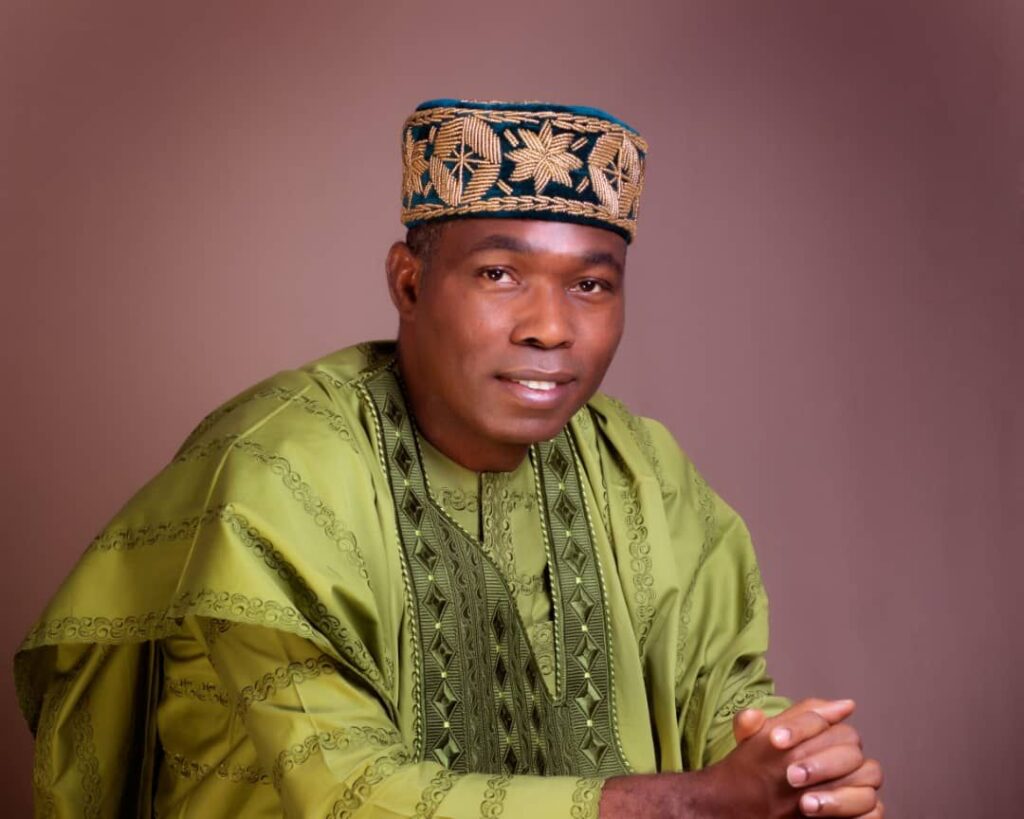
Prince Adewole Adebayo has delivered a sweeping criticism of President Bola Tinubu’s handling of national security, governance, and democracy, warning that Nigeria has become increasingly vulnerable due to what he described as weak and negligent leadership.
Speaking in an interview on Monday, the Social Democratic Party (SDP) presidential candidate in the 2023 general election, said insecurity has defined Nigeria’s recent history, with bandits and terrorists overrunning communities, killing and kidnapping residents, and looting property.
Adebayo argued that security demands realism and data-driven planning, not optimism, accusing successive administrations — including Tinubu’s — of failing to act decisively as commanders-in-chief.
According to him, Tinubu has not demonstrated a clear understanding of his constitutional role as commander-in-chief, saying the president has failed to properly supervise the armed forces or articulate a coherent national security plan.
He dismissed claims that Tinubu merely inherited the crisis, noting that the president campaigned on fixing insecurity but has not delivered meaningful results.
Adebayo also criticised Nigeria’s growing security engagement with the United States, describing it as a reaction to domestic failure rather than a diplomatic success.
He warned that Tinubu’s handling of insecurity had exposed Nigeria to foreign pressure, insisting that international cooperation should be limited, proactive, and firmly driven by Nigeria’s own priorities.
He blamed corruption and collusion within government and security institutions for sustaining insecurity, alleging that some officials are profiting from the prolonged conflict.
On claims of religious persecution, Adebayo said Nigeria has moved beyond debates over labels, stressing that communities across the country are living in fear regardless of faith.
He argued that securing lives and communities should be the government’s foremost responsibility, adding that unchecked corruption within the security sector has weakened national sovereignty.
Adebayo further warned against any foreign troop presence on Nigerian soil and condemned poor governance as the greatest threat to democracy, even as he rejected coups and unconstitutional seizures of power.
He criticised the rejection of electoral reforms, accusing beneficiaries of flawed elections of resisting change, while insisting that incumbents, including Tinubu and the APC, remain beatable if citizens mobilise.
Looking ahead, Adebayo expressed confidence that the SDP could emerge victorious in a “people’s election,” calling for the rise of a new political class to replace what he described as an entrenched elite feeding off public resources.
He warned Nigerians against a second Tinubu term, portraying the president as an imperial figure rather than a servant leader, and urged voters to seek accountable, people-centred leadership in the next election.








